Slow Tech

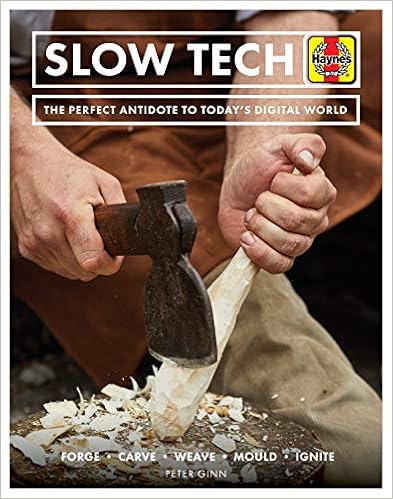
Slow Tech: The Perfect Antidote to Today’s Digital World: Forge, Carve, Weave, Mould, Ignite, by Peter Ginn

Our world is largely digital and it moves fast.  There is a recent crop of books on the beauty and power of slowing down and working with one’s hands.  One of these is Slow Tech by the British archaeologist and historian Peter Ginn.  “Forge-Carve-Weave-Mould-Ignite” emblazon the cover as a sampling of the fundamental technologies he explores.  The book is structured around materials, with sections devoted to Fire, Earth, Wood, Stone, and Water.  Most of the projects are given 2-4 heavily illustrated pages.  These mini-chapters include “The art of smithing,” “Smelting,” “Make a Coil Pot,” “Wattle and Daub,” “Make a loom and weave cloth,” “Distil scented oil,” and “Steam-powered toy boat.”  I have put none of these projects to the test for clarity of explanation or efficacy of instruction, but browsing the book is a pleasure in its own right.  It makes one hungry to do something with one’s hands.
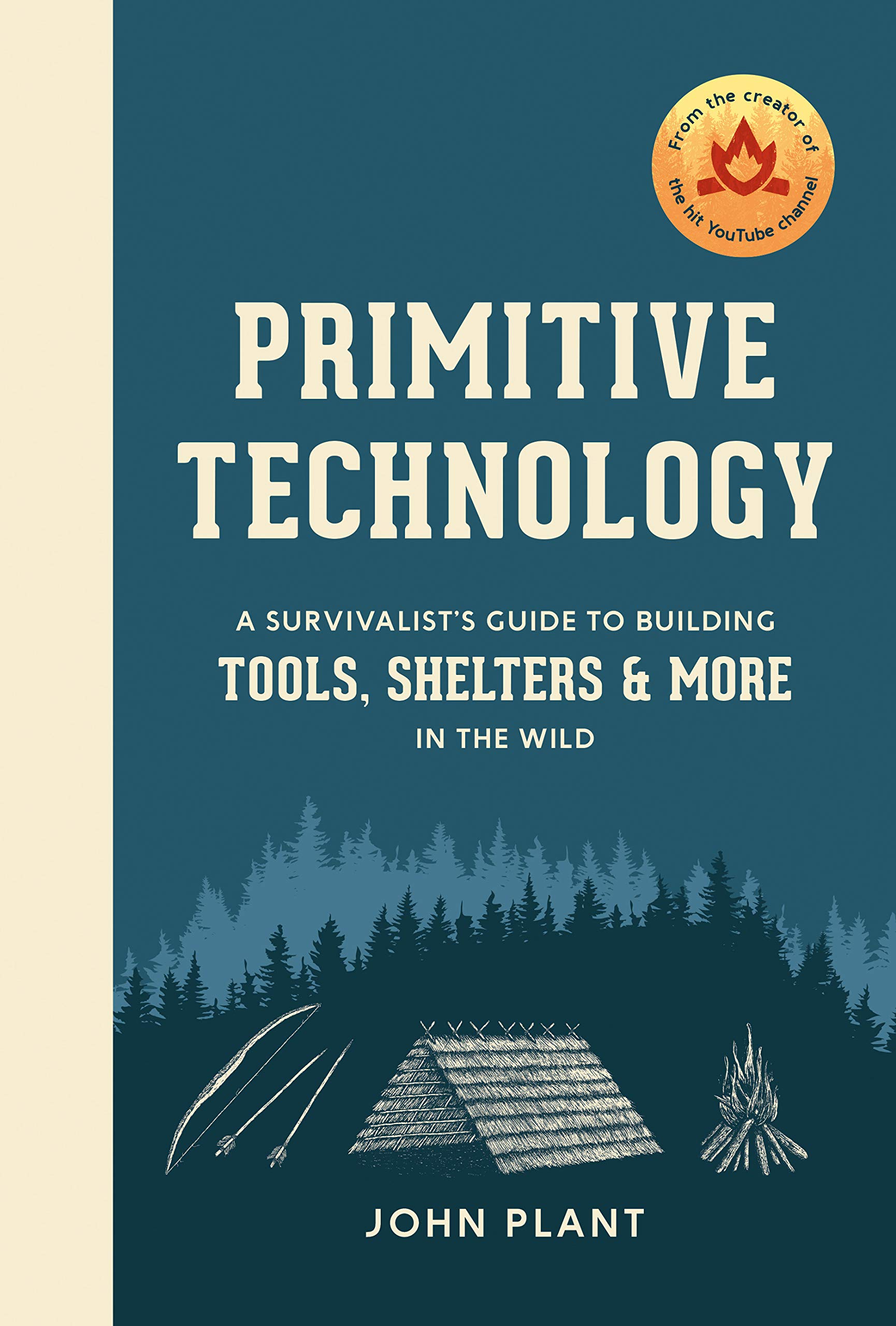
Primitive Technology: A Survivalist’s Guide to Building Tools, Shelters, and More in the Wild, by John Plant

This book on working with the hands was born directly of the digital world.  The Australian John Plant became a YouTube star with his Primitive Technology channel, which has 10 million subscribers and an average of 5 million views per video.  Unlike Slow Tech it is geared specifically to wilderness survival with the most primitive of tools.  Chapters are structured around neither technologies (forge, carve, weave) nor materials (fire, earth, wood), but around the necessities of life: Heat, Hunt, Clothing, Shelter, and Basic and Advanced Toolkits.  Illustrations include both drawings and photographs.  Having watched a handful of Plant’s videos, I found it hard to see them reduced to a handful of photographs.  The book is a smaller format than Slow Tech and not as lavishly illustrated.  But it remains a fascinating window onto the rudiments of turning just about nothing into the minimal tools and materials necessary to survive in the wilderness.
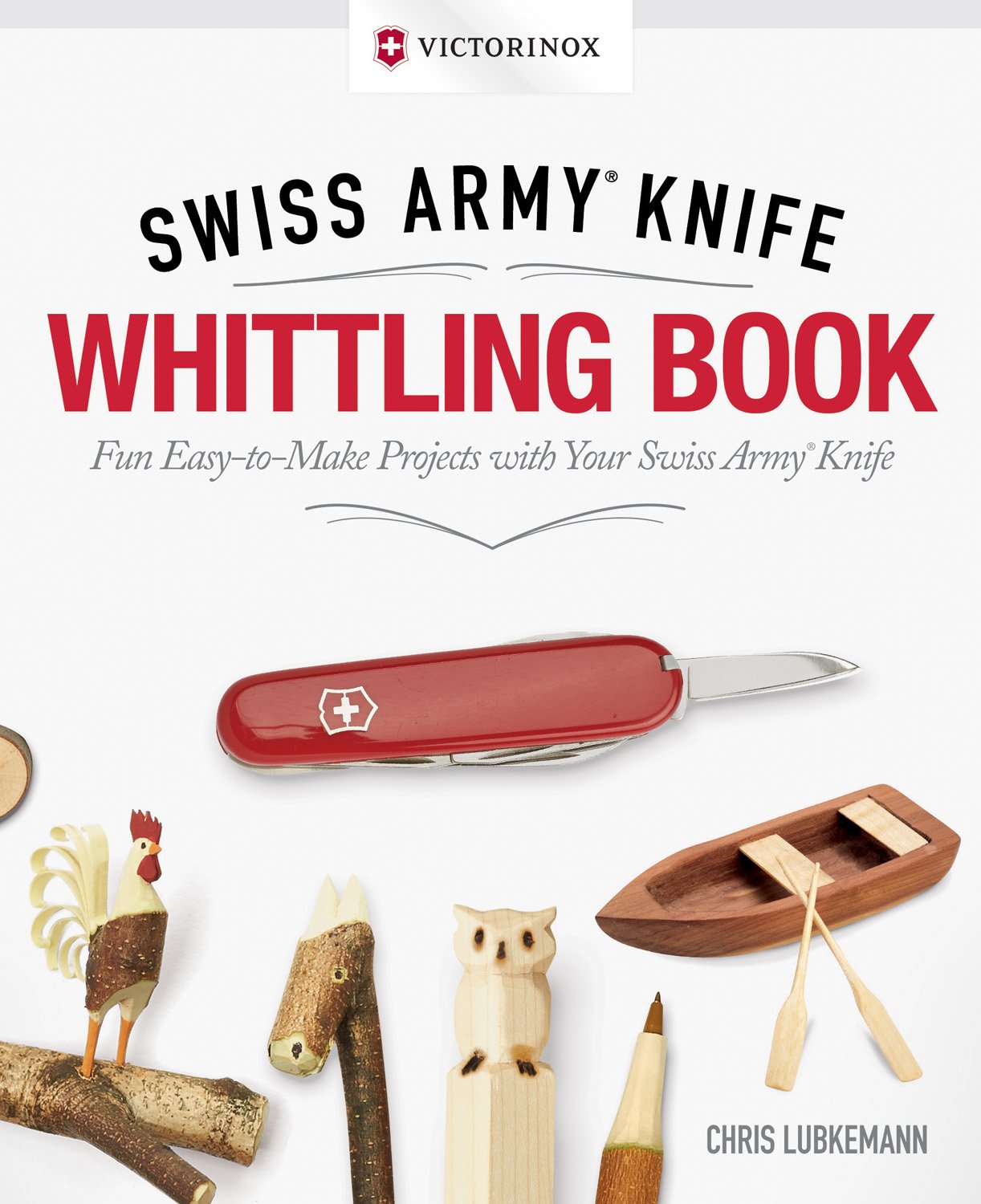
Victorinox: Swiss Army Knife: Whittling Book; Fun, Easy-to-Make Projects With Your Swiss Army Knife, by Chris Lubkemann

Despite an unhealthy proliferation of subtitles, this is a charming little book on the pleasures of whittling.  One of the oldest forms of self-amusement with the hands, whittling requires nothing but a stick and a sharp knife.  The book begins with a guide to swiss army knives, both a brief historical overview and selection of knife exotica (the Swiss Champ XAVT has 118 implements), and a guide to choosing a more practical knife for one’s own use. The rest of the book consists of projects to be carved from sticks and twigs: crochet hooks, alligators, hens, jewelry trees, and bristly-tailed squirrels.  It’s a practical little guide, with none of the deep romanticism of the other two books.  They are built on a yearning for what is fundamental in human life.  This teaches you how to make a chicken from a branch.  It is diverting and fun and probably a great occasional alternative to Netflix.

-Jared J.
Noteworthy Graphic Novels

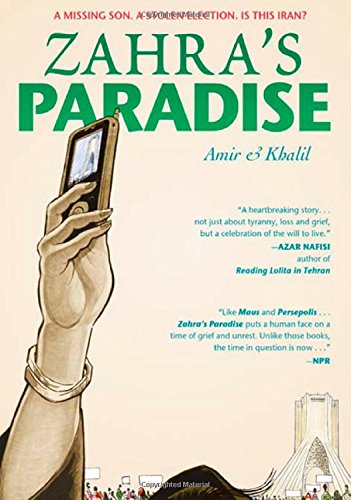
Zahra’s Paradise by Amir and Kahlil

This graphic novel was first serialized in the form of a webcomic in 2010. The story is set in 2009 in Iran following the contentious national elections that took place there. Medhi, a student activist, goes missing after the demonstrations that followed the election. Medhi’s mother and brother, along with friends, initiate an epic mission to find him, knowing very well that he could be seriously injured or even dead. This graphic novel highlights the power of individual perseverance, especially in the character of the protestor’s mother, who will stop at nothing to find her son. This book is not for the faint of heart as there are some gruesome moments that call for reader caution. However, such moments highlight the unjust political atmosphere in which the characters live. Some reviewers have praised this work, comparing it to the illustrious Maus books by graphic novel genius, Art Spiegelman. 

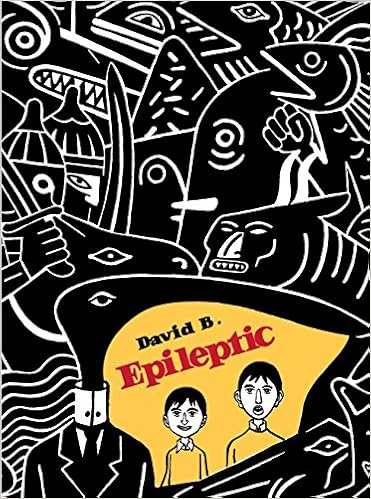
Epileptic by David B.

This engrossing graphic novel caught my attention with its rigorous, stark, expressionistic illustrations, as well as its touching story that describes a family desperately searching for a cure for their epileptic child. The book is a complicated work that deals with themes as diverse as contemporary French history, to holistic medical remedies, to the psychological dynamics of sibling relationships. The artwork is rendered in a frantic, symbolic way that takes the reader to the haunting atmosphere of David B.’s emotions (which at first glance seem to mimic a type of madness) as he struggles to comprehend the pain that his brother endures daily. The story of the family caring for the epileptic, and the author’s hardships as both friend and caregiver, carry the reader through a dreamlike, hallucinatory visual world. If a reader chooses to explore the works of David B., they should think about starting with this autobiographical piece before checking-out any of his more abstract and fictional titles, such as Incidents in the Night and Black Paths.

-Peter A.

Women Journalists

by Matthew Goodman

Eighty Days: Nellie Bly and Elizabeth Bisland’s History-Making Race Around the World

Two women determined to beat the record set in Jules Verne’s novel, going in opposite directions, recorded their quests for two rival New York publications in 1889.  Their journeys captivated the public and catapulted the two women – both who were already successful writers but came from very different backgrounds – into the spotlight.   

by Nancy Caldwell Sorel

The Women Who Wrote the War

Caldwell tells the story of a small, but determined, group of women journalists who risked their lives to report from the front lines of World War II.  Some names may be familiar (Margaret Bourke-White and Martha Gellhorn), but the stories from those who were unfamiliar are what really made this book one I could not put down. 

by Sheila Weller

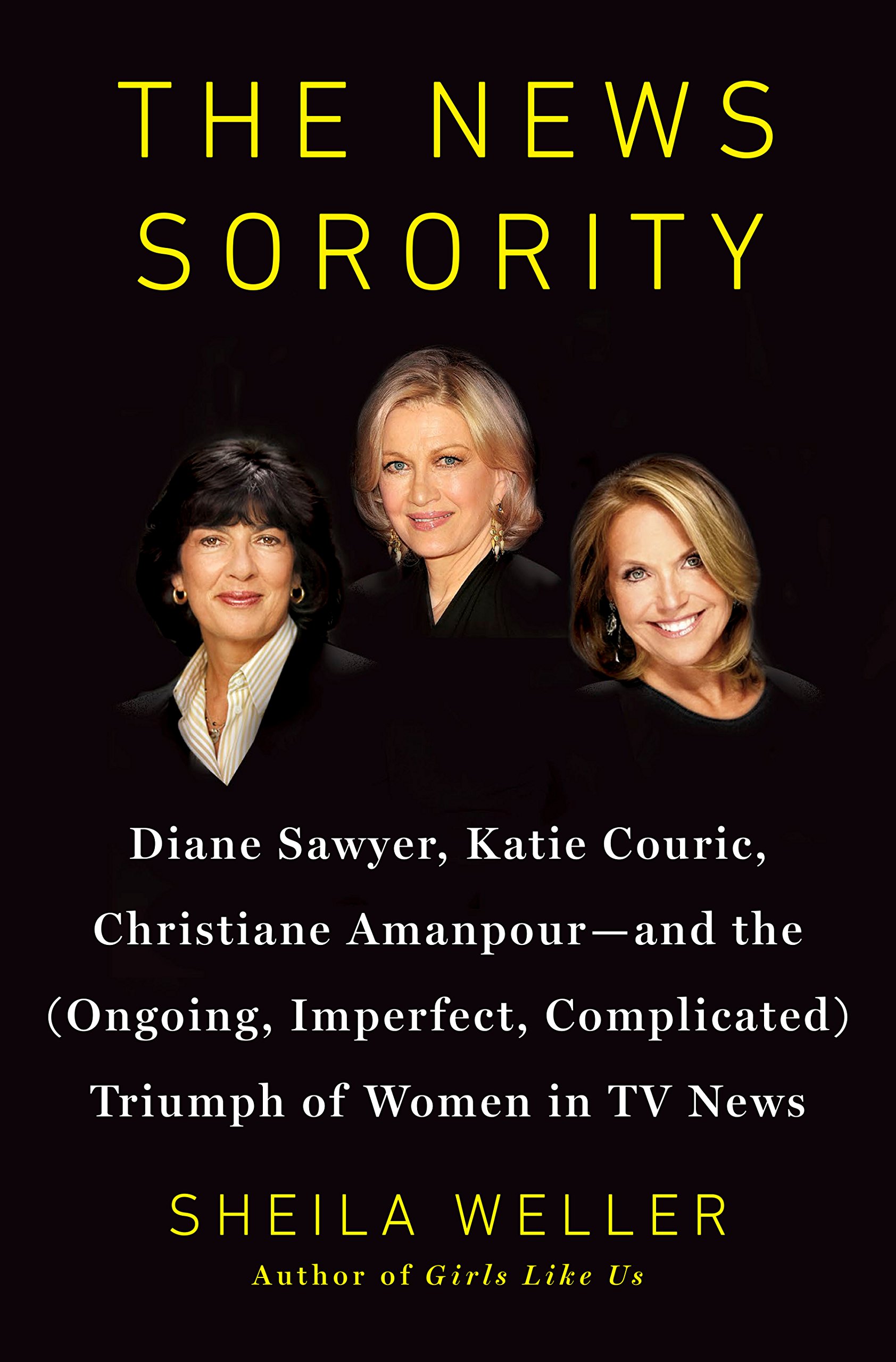
The News Sorority: Diane Sawyer, Katie Couric, Christiane Amanpour and the (Ongoing, Imperfect, Complicated) Triumph of Women in TV News

A look at what are arguably three of the biggest female television journalists from the late 1990s and 2000s.   

-Megan C.

Impeachment: Some Guides

by Brenda Wineapple

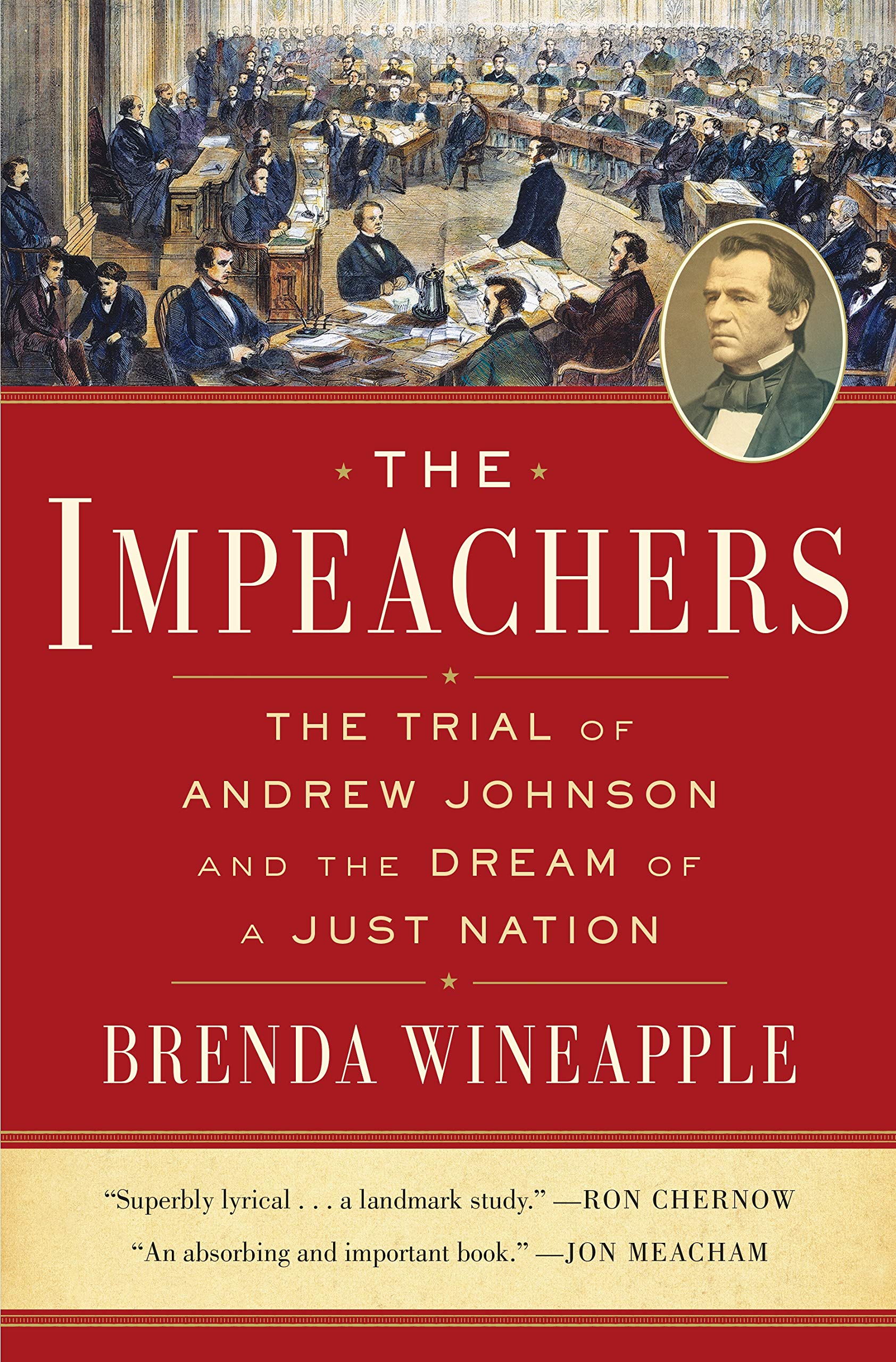
The Impeachers: The Trial of Andrew Johnson and the Dream of a Just Nation – When Abraham Lincoln was assassinated Andrew Johnson became the president of the United States. Though picked by Lincoln as his running mate, Johnson did not agree with the goals of Reconstruction and attempted to thwart congress’ effort to resort the nation. This is a thorough and brilliant narrative history of the first impeachment of an American president. 

by Neal Katyal

Impeachment: The Case Against Donald Trump – Former Acting Solicitor General Neal Katyal argues the case for impeaching Donald Trump. He examines our Founding Fathers’ thoughts on impeachment, of which they were explicit, and the legal arguments underlying the current case. A slim volume, written in a short period of time (as to be very up to date), with a definite opinion. 

By Cass R. Sunstein

Impeachment: A Citizens Guide – Unlike Katyal’s book, constitutional-law scholar Cass Sunstein’s book does not have an opinion on the current state of impeachment affairs. It covers the history of impeachment and it’s drafting in the constitution, giving context to its origins in the late 1700s. He discusses the impeachments of both Andrew Johnson, and Bill Clinton, as well as the related concept of removing a president because of incapacitation via the 25th Amendment. A quick primer for those in need of some clarity.

-Mike M.

Winter Blues? Cuddle up with Color

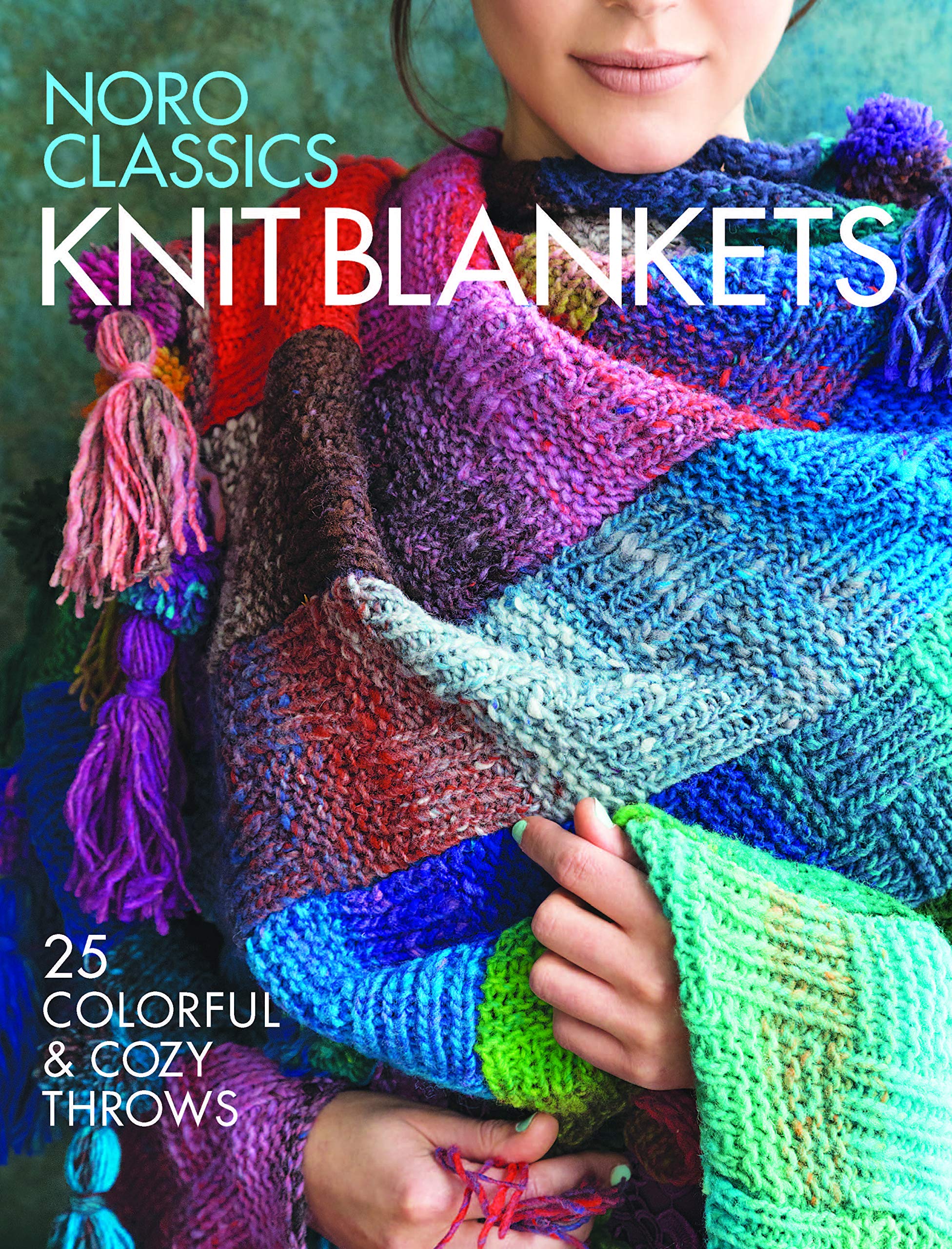
Timeless Noro Knit Blankets: 25 Colorful & Cozy Throws

This collection outlines patterns which knitters of all skill levels can use to make projects from the yarn produced by the company Noro. This Japanese brand has won a following among crafters for producing yarns in a variety of textures and variegated color combinations in self-striping patterns.  Whether you knit or not, the vibrant colors associated with Noro make this an eye-popping book to leaf through.

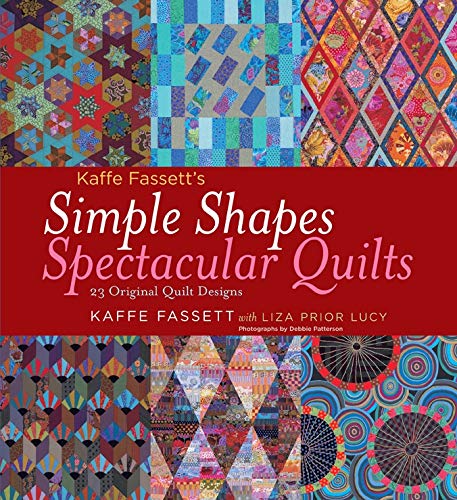
Kaffe Fassett’s Simple Shapes Spectacular Quilts: 23 Original Quilt Designs

In Simple Shapes Spectacular Quilts, world-renowned quilter Kaffe Fassett demonstrates how basic geometric forms—squares, rectangles, triangles, diamonds, circles, and quarter-circles—found in natural and manmade environments inspire his quilt designs. Kaffe Fassett, an accomplished painter and designer of textiles, is widely acknowledged as a visionary in the use of color. This book will get your creative juices flowing!

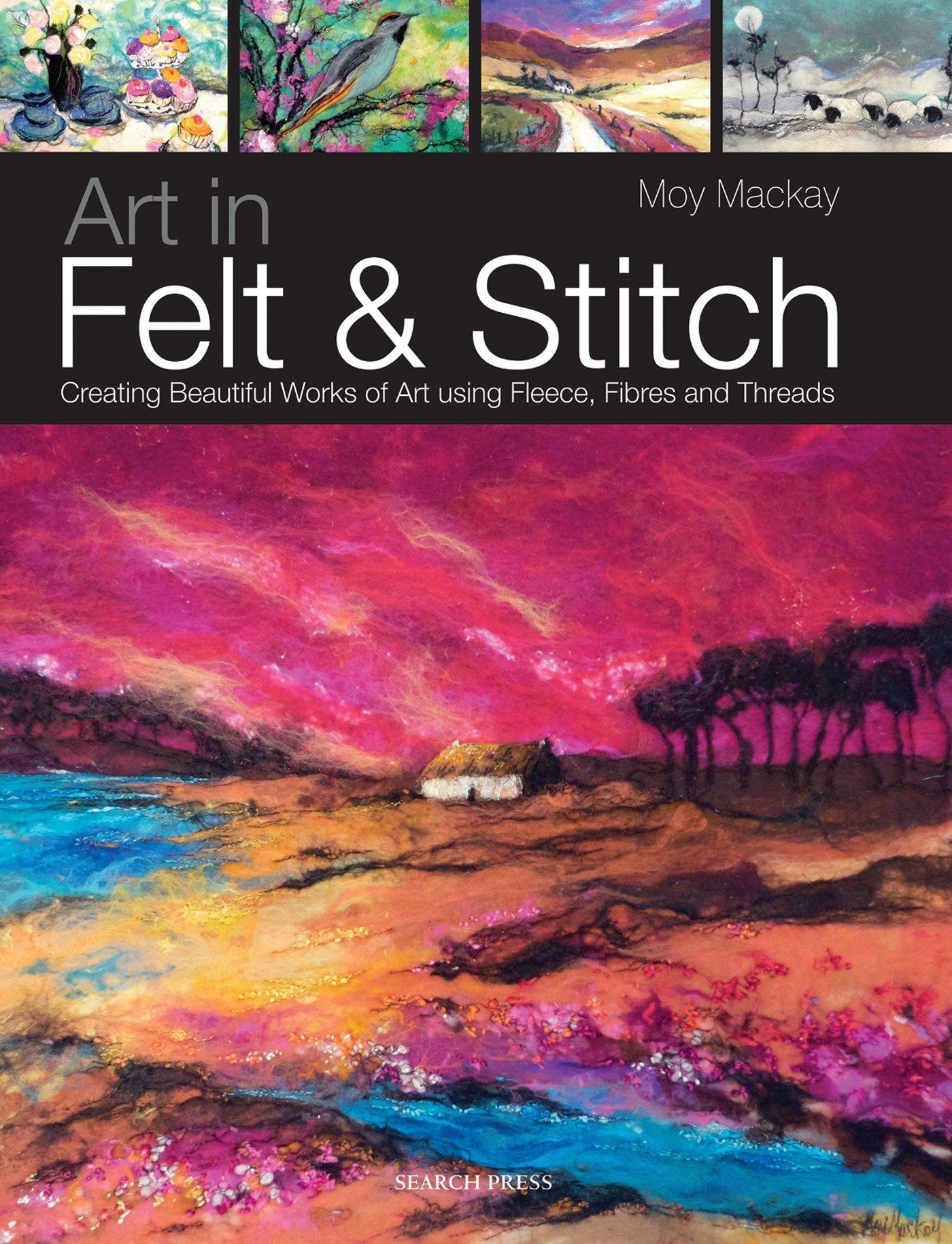
Art in Felt & Stitch: Creating Beautiful Works of Art Using Fleece, Fibres and Threads

In this visually stunning book, Moy Mackay reveals how to create pictures using felt. Characterized by her wonderful use of color, Moy’s work is breathtaking and includes landscapes inspired by the dramatic scenery of the Scottish Borders where she lives and works. Moy takes you through every step of the process, including the materials and tools you need, the felt making process itself and how to put together felt paintings of your own.

-Mary L.

Divided America

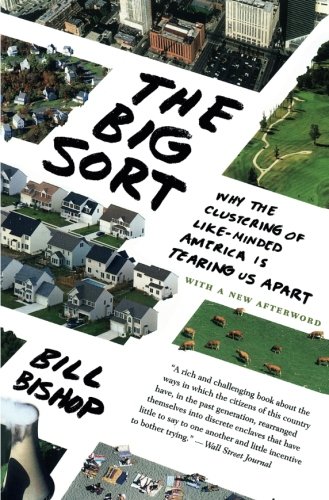
The Big Sort: Why the Clustering of Like-Minded America is Tearing Us Apart – America is changing, but according to Bill Bishop where you’ve decided to live is probably becoming more culturally and politically homogeneous. We are increasingly sorting ourselves into cultural bubbles and are unable to understand those who live in other areas of the country. We now move to the place that agrees with us the most. The implications for our country are huge. If we don’t know each other, how can we expect to collaborate for the common good? 

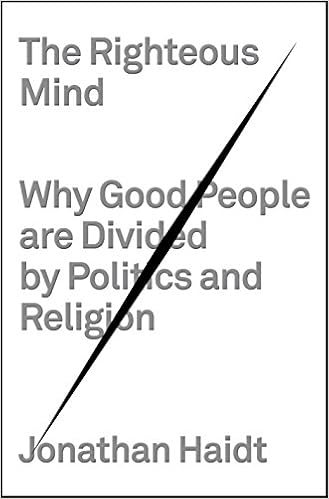
The Righteous Mind: Why Good People Are Divided by Politics and Religion – We often have different ideas about how to do things, how to govern, etc. But why are we so divided? Why can’t we reach at least some common ground? Jonathan Haidt explores the different moral intuitions we have as humans, and as cultures, and explains how our differing world views can create such divisions. He then goes further to explain that the other root of our division is our instinct to group, to be a part of a tribe. He implores us to listen to each other, no matter how uncomfortable that may be. 

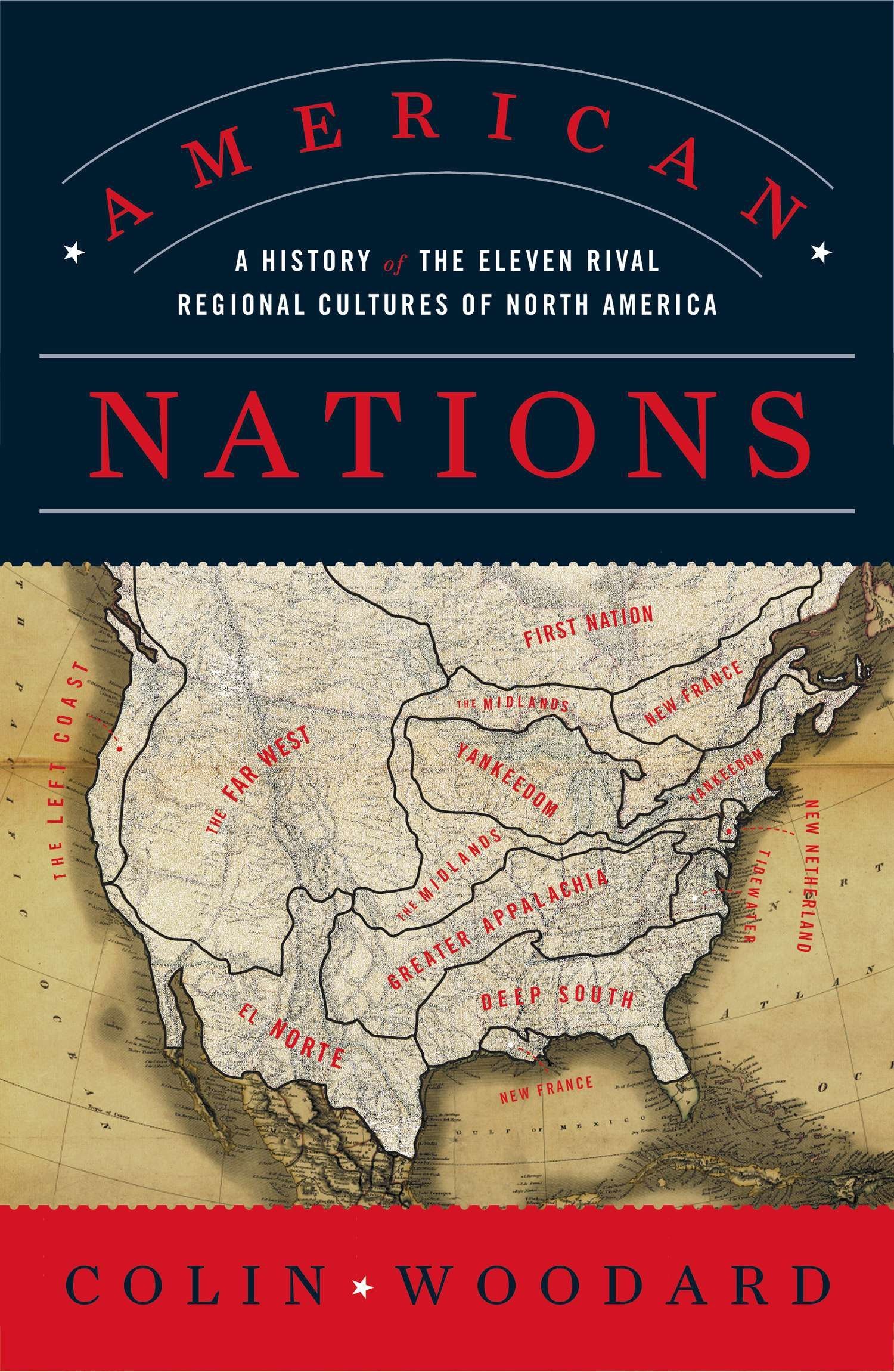
American Nations: A History of the Eleven Rival Regional Cultures of North America – American Nations is a history of the different cultural foundings of the United States. Colin Woodard explores the positives and negatives that each cultural area brought to the United States and explains why this caused many of the divisions that persist to this day. Our divisions may have started long ago. 

Further reading:

Bowling Alone: The Collapse and Revival of American Community

Political Tribes: Group Instinct and the Fate of Nations

Identity: The Demand for Dignity and the Politics of Resentment

CURL UP WITH A CLASSIC

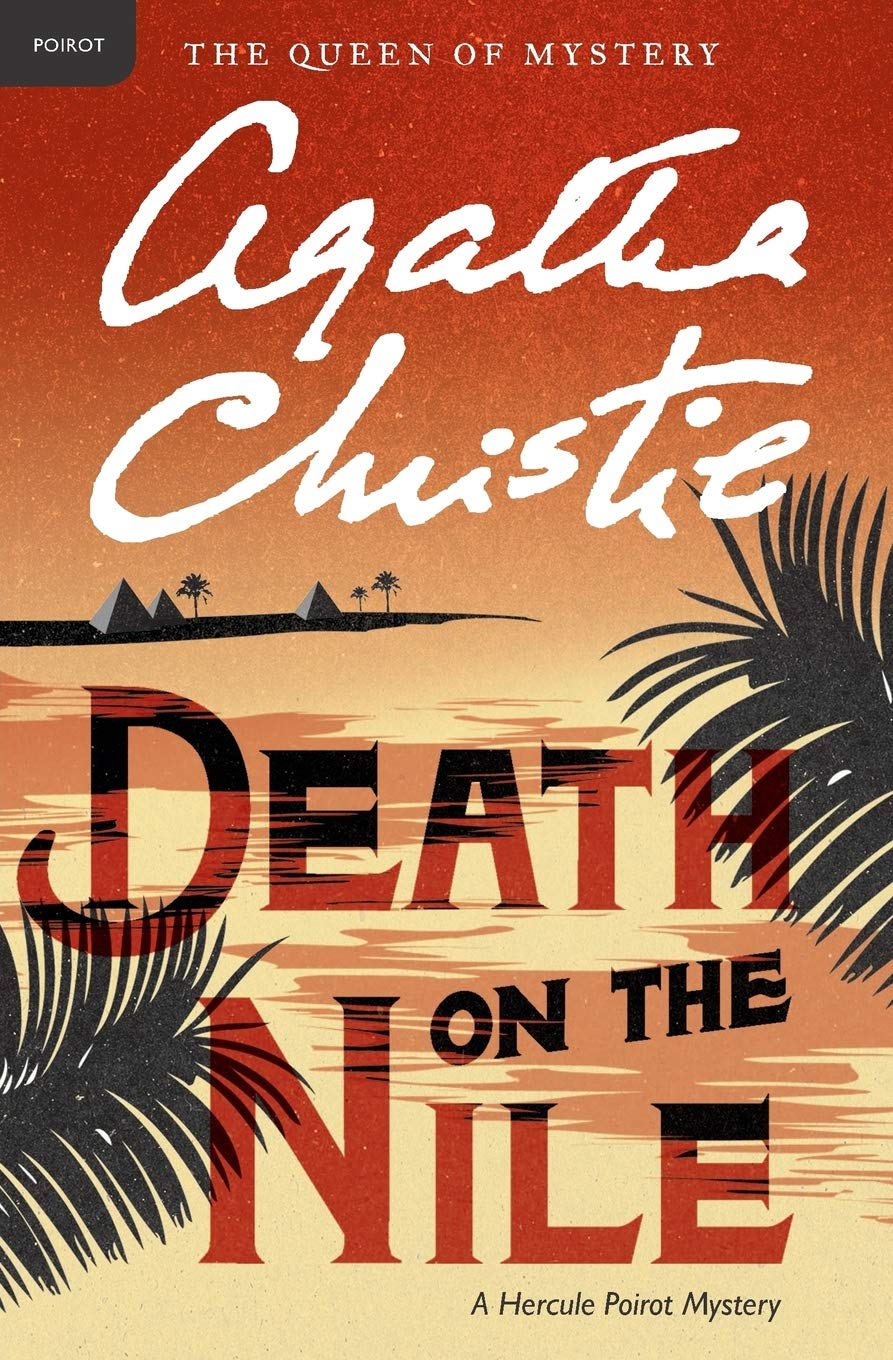
Death on the Nile – Hercule Poirot has his work cut out for him when an heiress becomes the target of her fellow cruise passengers.  Linnet Ridgeway has money, looks and intelligence, but she also has enemies, most of whom seem to have joined her and her new husband on their honeymoon cruise up the Nile River.   The Times Literary Supplement’s short review in November 1937 concluded that, “Hercule Poirot, as usual, digs out a truth so unforeseen that it would be unfair for a reviewer to hint at it”.

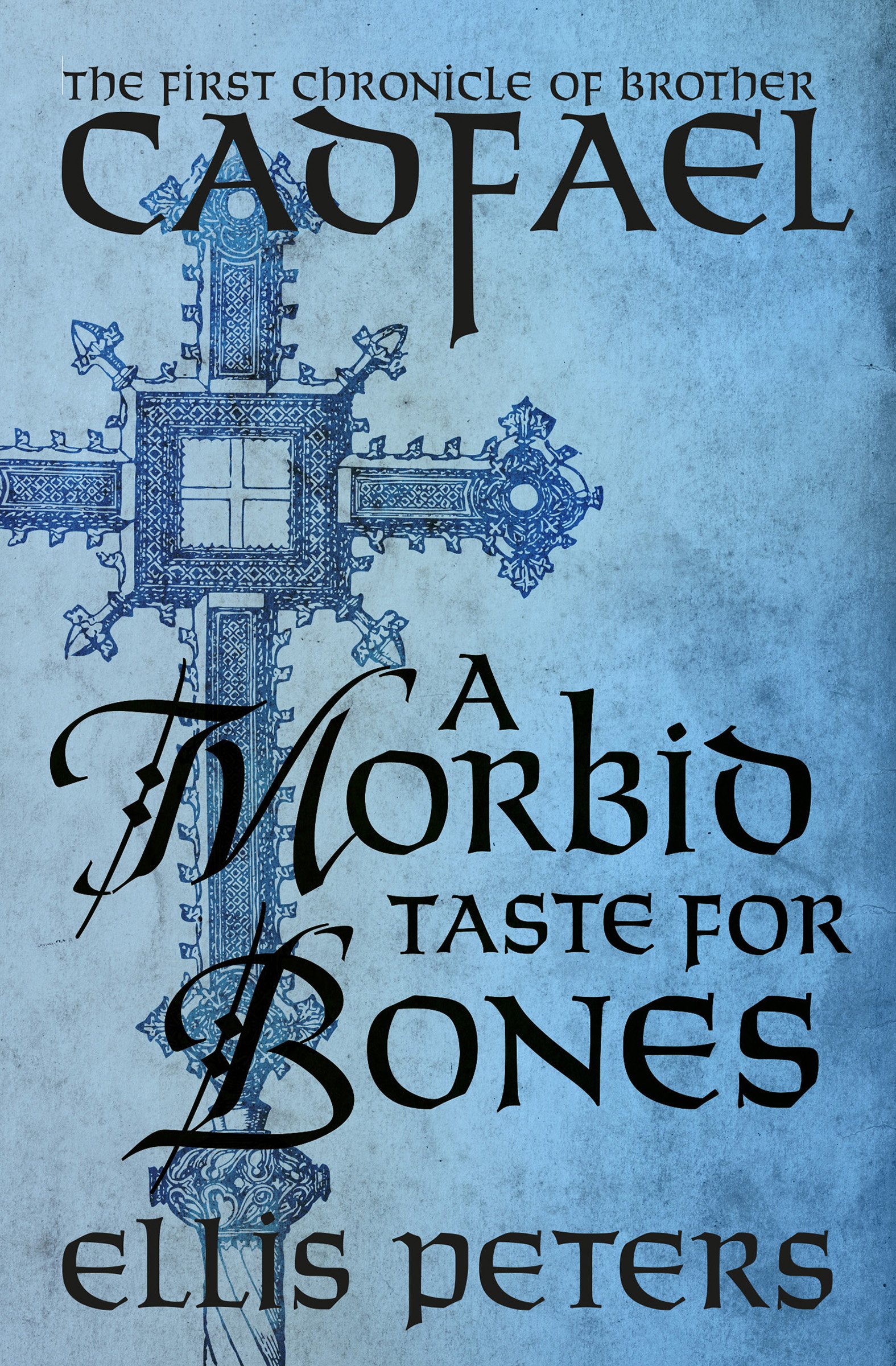
A Morbid Taste For Bones – In this first book of the Brother Caedfel series, set in 12th century Britain, the monk is charged with collecting the holy remains of Saint Winifred and returning them to Shrewsbury Abbey, but when one of the villagers opposed to the removal of the saint’s remains is found dead in the woods with an arrow in his chest, Brother Caedfel must find the culprit.  The Wall Street Journal called A Morbid Taste For Bones one of their five best historical novels.

The Nine Tailors – Following a car wreck in the countryside, Lord Peter Wimsey and his trusty manservant, Bunter, find shelter in a church in an isolated town.  The town may be isolated, but it’s far from peaceful.  The church bells are ringing, long missing jewels are involved, and when gravediggers open a family grave, a mutilated corpse is found.  This is Dorothy Sayers and Lord Peter Wimsey at their best.

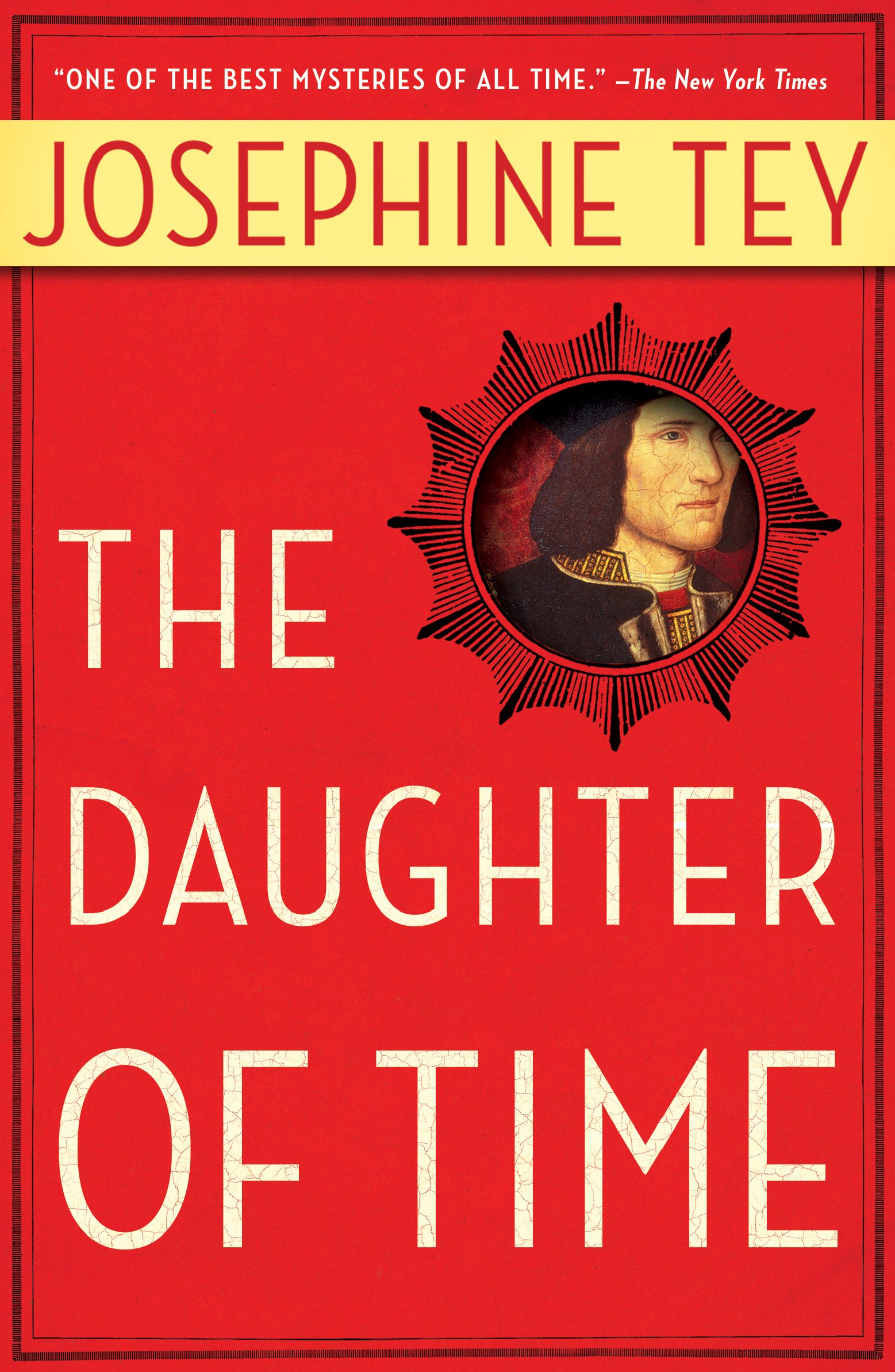
The Daughter of Time Confined to a hospital bed with a broken leg, Inspector Alan Grant is feeling bored and out of sorts.  A friend who knows that Grant is intrigued by faces, brings him several portraits to examine.  When he looks at the portrait of Richard III, Shakespeare’s hunched back monster and purported killer of the young princes in the Tower, Grant is surprised to see a face full of integrity.  As Grant pursues Richard’s history, he becomes convinced that the “monster” was framed.  This masterful historical mystery jump-started a wave of research that has since concluded that Inspector Grant (And Josephine Tey) were right.

The Human-Animal Connection

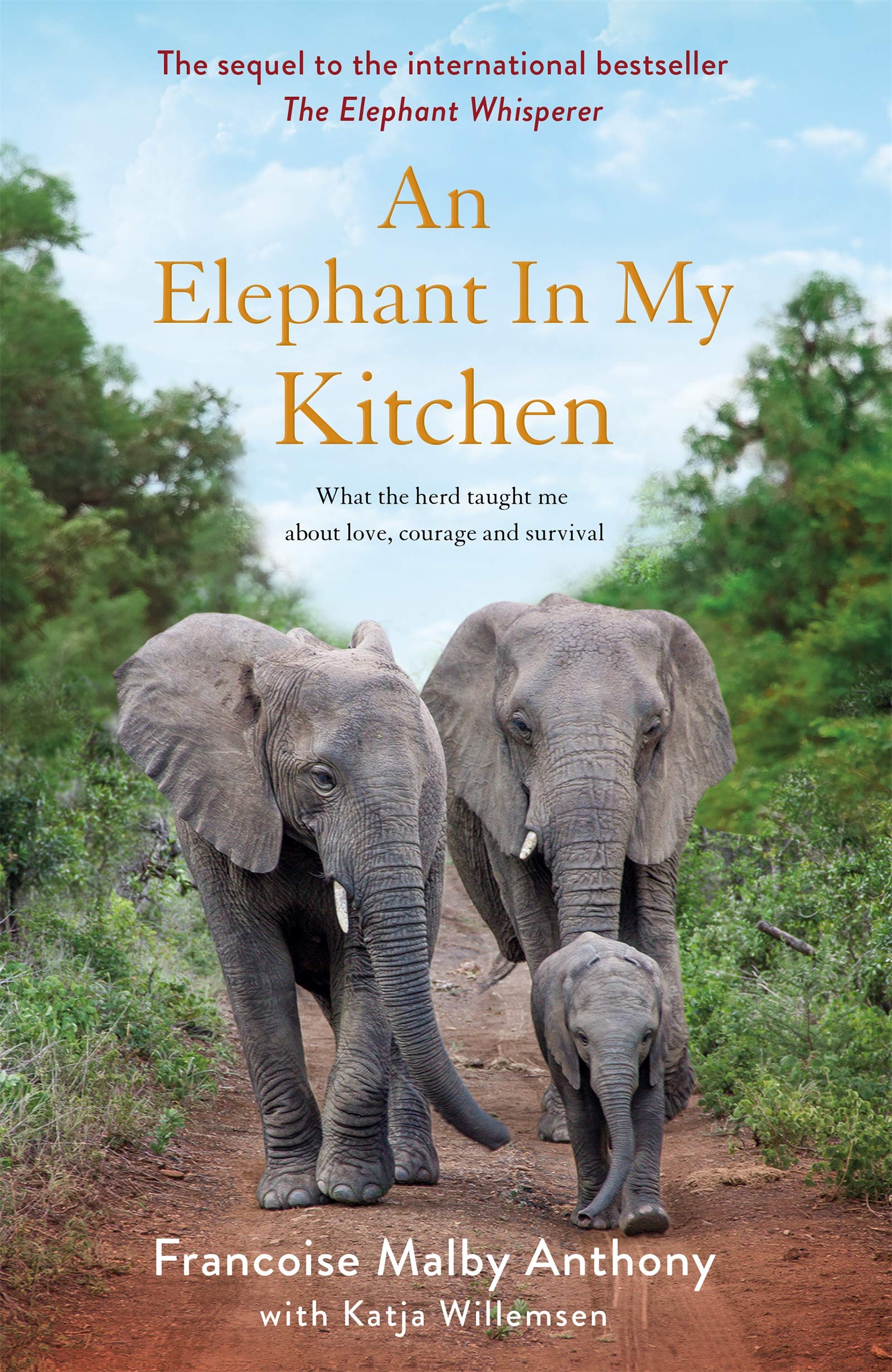
An Elephant in My Kitchen: What the Herd Taught Me About Love, Courage and Survival, by Francoise Malby-Anthony

In 2009, Lawrence Anthony, a South African conservationist, published the New York Times bestseller The Elephant Whisperer, in which he recounted his experiences with a herd of rogue elephants that otherwise would have been shot.  In 2012 Anthony died, and Francoise Malby-Anthony, a “chic Parisienne” who had fallen in love with him and joined him in caring for the herd, took over responsibility for it.  An Elephant in My Kitchen is her account of the years since Anthony’s death, and is officially book two in the Elephant Whisperer series.  In it she talks about the challenges of running the preserve as a woman, incursions by poachers, conflict with authorities, and stories of caring for lost and orphaned baby elephants, rhinos, and other animals.  It is described as a “captivating and gripping read,” and a strong addition to the annals of life lessons learned by humans from animals.

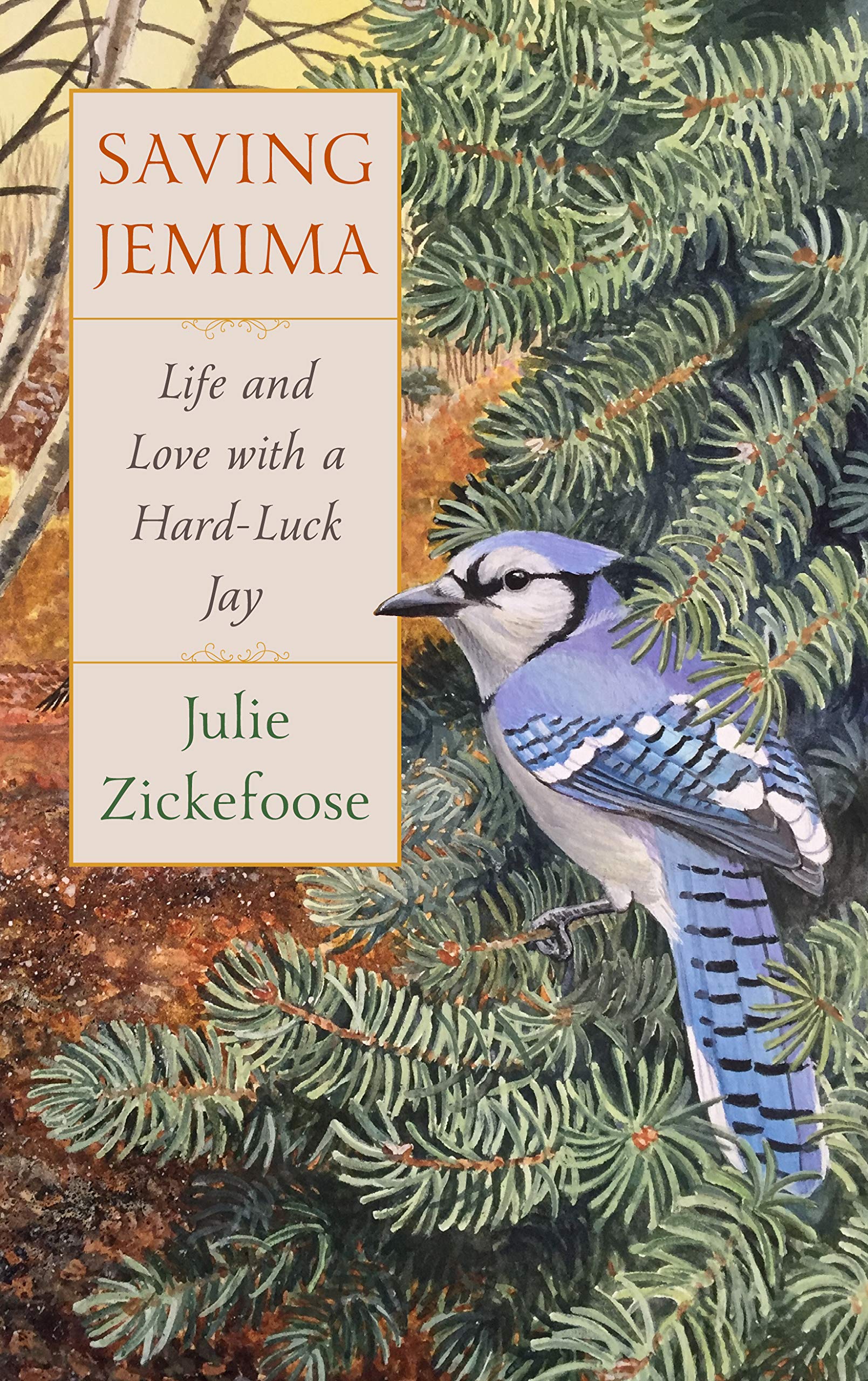
Saving Jemima: Life and Love with a Hard-Luck Jay, by Julie Zickefoose

For an account of a human-animal relationship a bit closer to home, this book tells the story of the author’s adoption of a tiny, tailless fluffball of a baby blue jay that’s sick and starving.  Zickefoose saves Jemima, and after a summer of entertaining bird antics, dedicates herself to preparing the growing bird for release into the wild.  But after release Jemima turns up with a deadly disease, and Zickefoose turns her energies to healing the bird again–this time on camera for the PBS show Nature.  Zickefoose herself is enduring heartbreaking changes in her life, and this is the story of her relationship with a feisty blue jay who helps teach her to endure.  The book is illustrated with photographs, and also with the author’s beautiful drawn and painted illustrations.

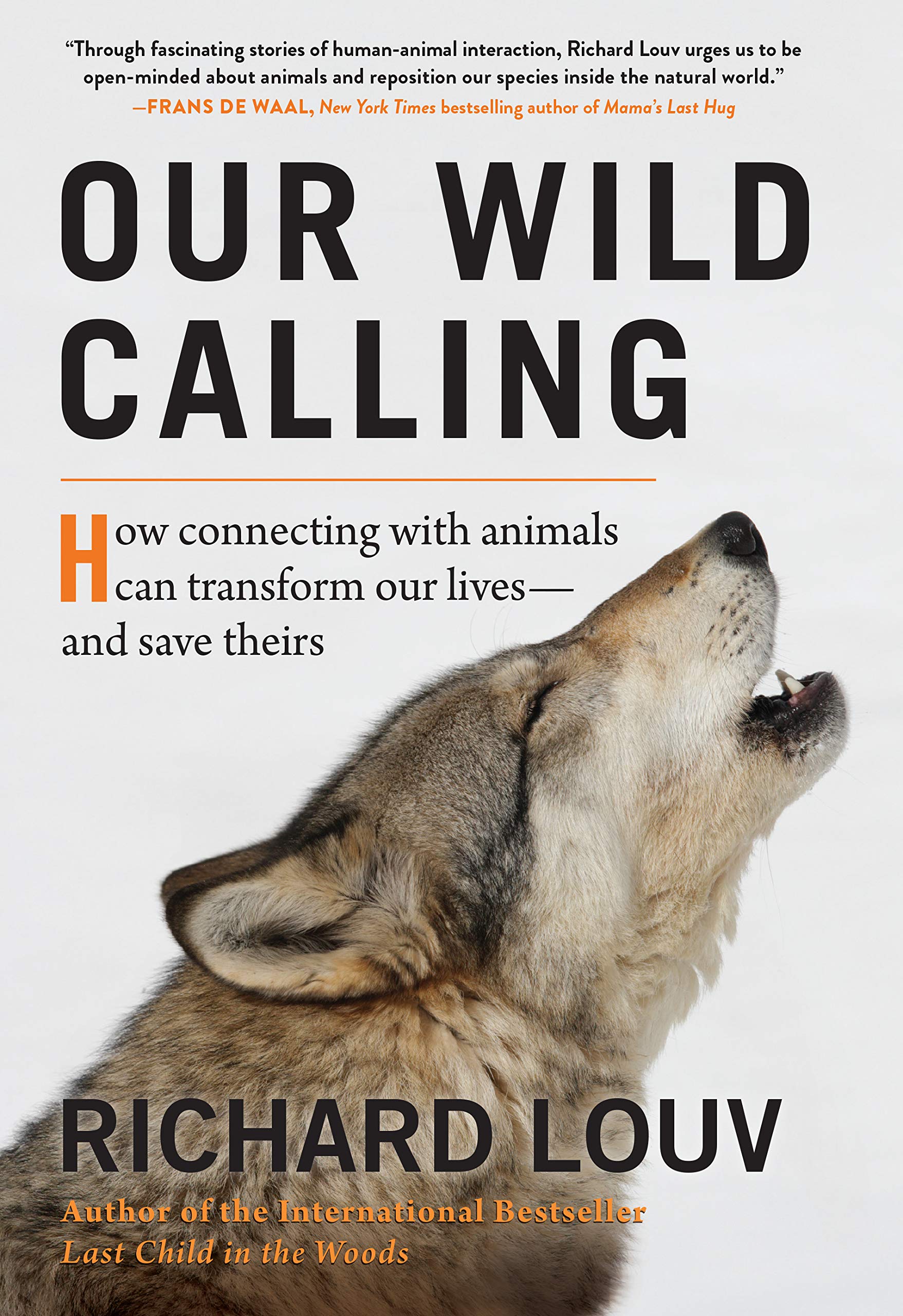
Our Wild Calling: How Connecting with Animals Can Transform Our Lives–And Save Theirs, by Richard Louv

Richard Louv’s last book was Last Child in the Woods: Saving Our Kids with Nature-Deficit Disorder.  Here he delves more deeply into specifically human-animal relationships of the kind that Francoise Malby-Anthony and Julie Zickfoose describe in their books.  Through both scientific studies and anecdote, Louv explores the nature of our connection with animals, our co-evolution, and the lessons we can learn from them.  Chapter headings include “Species Loneliness,” “The Mind-Altering Power of Deep Animal Connection,” “Becoming the Grasshopper,” “Do They Love us Back?” and “Welcome to Symbiocene City.”  Kirkus and Booklist give Our Wild Calling starred reviews, and Psychology Today calls it “a game-changer.”

-Jared J.

Pages of History

by Residents of Kendal at Hanover

World War II Remembered by Residents of Kendal at Hanover

As time marches on, we move farther and farther from the events that comprised the Second World War. In this compelling book there are over fifty narratives describing the war abroad and the scenes of the home front. In 2012, this book was featured in a televised piece by “NBC Nightly News” in which a few of the contributors were interviewed. The decorated combat veteran, Robert Christie, penned a verse titled The Hunter which is an especially profound treasure in the work. This book is a “must read” for World War II history buffs.

by Eduardo Galeano

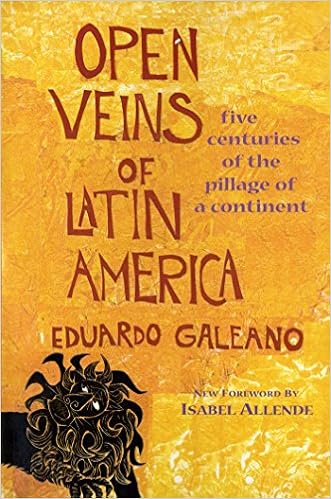
Open Veins of Latin America by Eduardo Galeano

This book quickly shot to the best seller lists after a copy was gifted to President Obama at the 5th Summit of the Americas in 2009. It was written by one of the most celebrated Latin American journalists of the twentieth century, the late Eduardo Galeano, a Uruguayan author also widely known for his illustrious Memory of Fire trilogy. In it, Galeano analyzes the effects and causes of capitalist underdevelopment in Latin America and presents a passionate account of the five hundred years that spanned from the arrival of the exploitative conquistadors to the time of the work’s original Spanish language publication in 1973.

-Peter A.

Happy Thanksgiving!

Howe Library will be closed on Thursday the 28th and Friday the 29th. We will reopen on Saturday at 10:00 a.m.

While the library is closed check out some of our resources to access from home with your library card:

Kanopy – Stream feature films, documentaries, and children’s content.

New York Times – Enjoy daily free digital access.

N.H. Downloadable Books Consortium – Download e-books & e-audiobooks anytime, anywhere. Get the Libby app to download to your digital devices.

Thanksgiving History (Uncensored)

by David J. Silverman

This Land Is Their Land – This book puts to rest many of the long-standing myths about the first Thanksgiving. Silverman writes that the Pilgrims and Wampanoags forged their alliance out of necessity, giving greater historical context to the events we center our modern holiday around. He further explains that in grand history of the Pilgrims and Wampangoags, the first Thanksgiving was but a minor event.

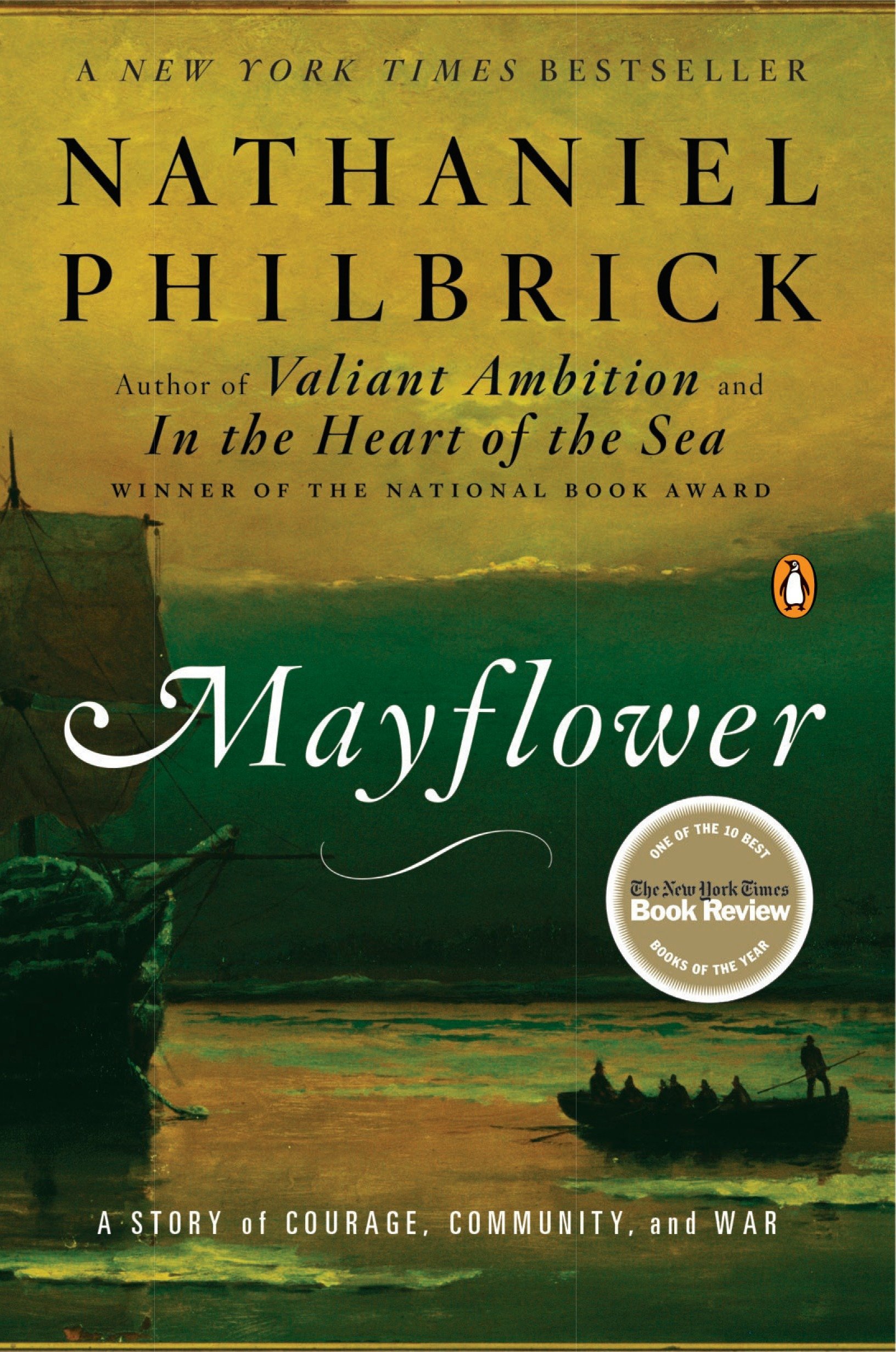
by Nathaniel Philbrick

Mayflower – Philbrick’s Mayflower is a comprehensive look at the Pilgrims’ settling of Plymouth and of greater New England. He holds nothing back in portraying the complex history of the Native Americans’ relationship to the colonizing Pilgrims. Philbrick writes in an exciting, fast-paced manner, detailing the tragedy and struggle of this time period.

by Jill Lepore

The Name of War – Jill Lepore brings a whole other level of complexity to this region and to the two groups attempting to coexist in 17th century New England. Although taking place after the Pilgrim’s early settlement and the first Thanksgiving, The Name of War helps you to understand the fragile alliances that were formed and broken during this time. More importantly, Lepore argues that it was the colonists’ written words and memory of King Philip’s War that hardened their ideas about the Native Americans and furthered the enmity between them.

-Mike M.

Novels of Ruta Sepetys

Internationally acclaimed author “Ruta Sepetys is considered a ‘crossover’ novelist as her books are read by both students and adults worldwide. Winner of the Carnegie Medal, Ruta is renowned for giving voice to underrepresented history and those who experienced it.” – rutasepetys.com 

Between Shades of Gray –  Lithuania, 1941.  Exposing the agonies endured by victims of Josef Stalin’s regime, Between Shades of Gray grips readers from the first page with its against-the-odds survival story.

Salt to the Sea – East Prussia, 1945.  World War II is drawing to a close in East Prussia and thousands of refugees are on a desperate trek toward freedom, many with something to hide. Among them are Joana, Emilia, and Florian, whose paths converge en route to the ship that promises salvation, the Wilhelm Gustloff. Forced by circumstance to unite, the three find their strength, courage, and trust in each other tested with each step closer to safety.

Fountains of Silence –  Madrid, 1957.  Master storyteller Ruta Sepetys once again shines light into one of history’s darkest corners in this epic, heart-wrenching novel about identity, unforgettable love, the repercussions of war, and the hidden violence of silence–inspired by the true postwar struggles of Spain.

-Denise R.

Danish Living

As the last leaves are falling and we wait for the first snows of the year, we look to the Nordic North to learn how to keep things “hygge.”  One might describe hygge (pronounced hoo-guh) as the Danish word for the feeling you get while curling up under a cozy blanket in front of a fireplace, a cup of hot tea in hand while the snow falls softly in the night air.  As the nights get longer and the days grow colder, here are some books to help you in your quest for perfect hygge at home.

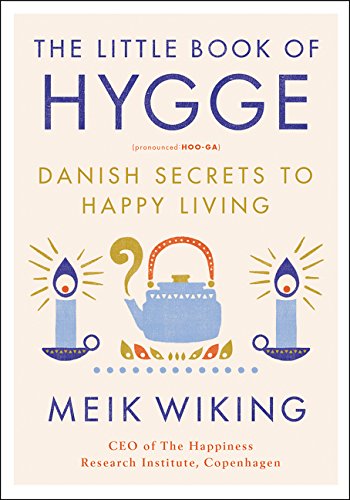
by Meik Wiking

The Little Book of Hygge – Danish author Meik Wiking believes the secret to Danes’ happiness is hygge.  Wiking says here are many ways to make this happen: Atmosphere, presence, and comfort are all included in his “Hygge Manifesto.”  The little book is filled with anecdotes and simple ways to make your life a little happier.  

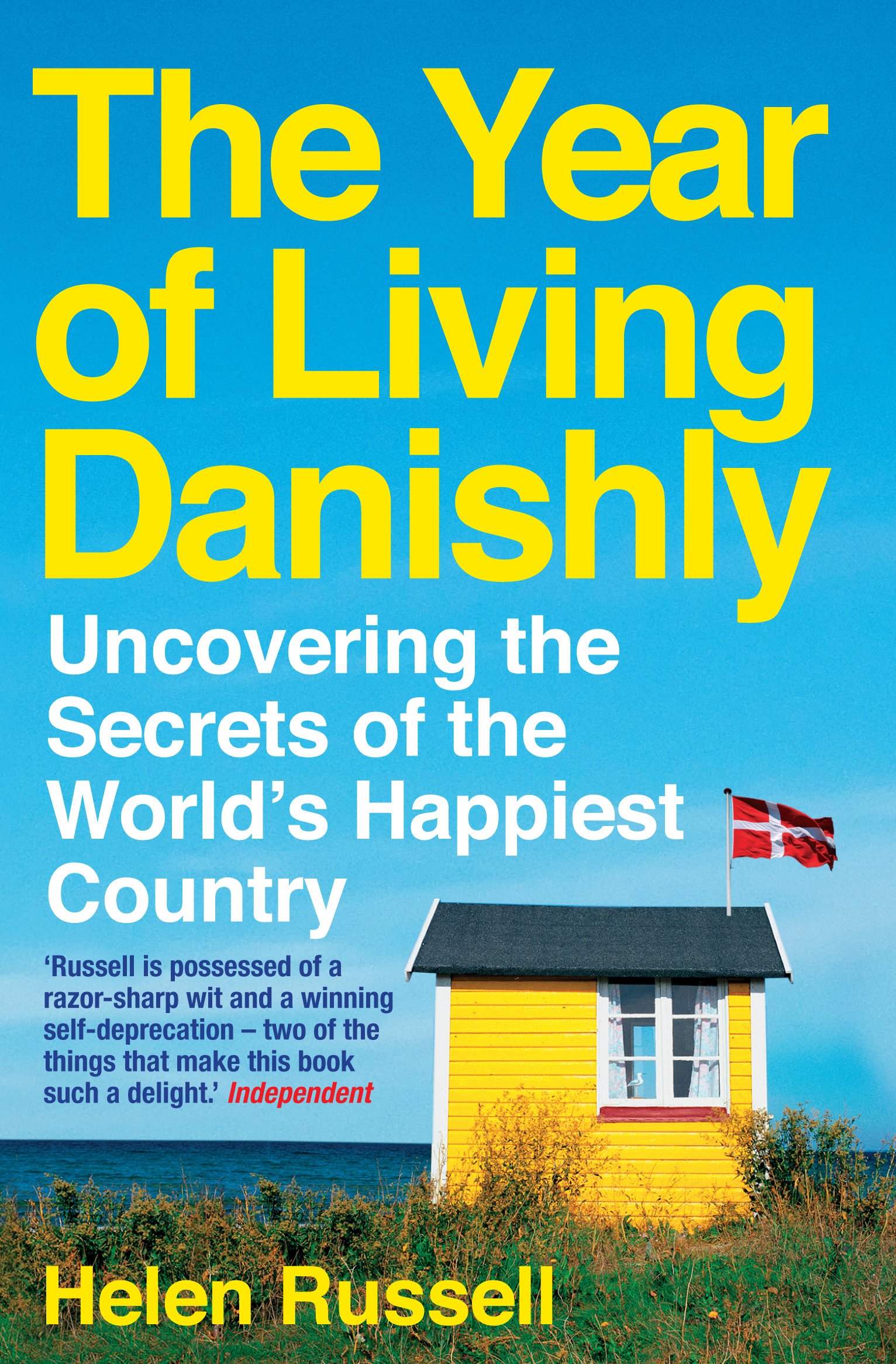
by Helen Russell

The Year of Living Danishly – Helen recounts her amusing and heartwarming year uncovering the secrets of living happily–moving from London to rural Denmark.  From hygge to childcare, pickled herring to sexism, “The Year of Living Danishly is a funny, poignant record of a journey that shows us where the Danes get it right, where they get it wrong, and how we might just benefit from living a little more Danishly ourselves.”

by Patricia Sinclair

Scandinavian Classic Baking – Since baking is considered to be essential to hygge, check out this cookbook for great recipes on all the Scandinavian comfort pastries. The smell of freshly baked treats ready to be eaten in front of a cozy fire will fill your home with hygge.

-Stephanie M.

The Right to Vote

We’re gearing up for election season. November, then primaries, then the big one!

Carol Anderson

One Person, No Vote – Carol Anderson documents the modern effort to suppress the vote following the Supreme Court’s 2013 Shelby County v. Holder decision. Though these efforts are new, they often echo the efforts from the past. At 160 pages, this book packs a punch. The additional 110 pages of notes and citations demonstrates the soundness of Anderson’s case. 

Elaine Weiss

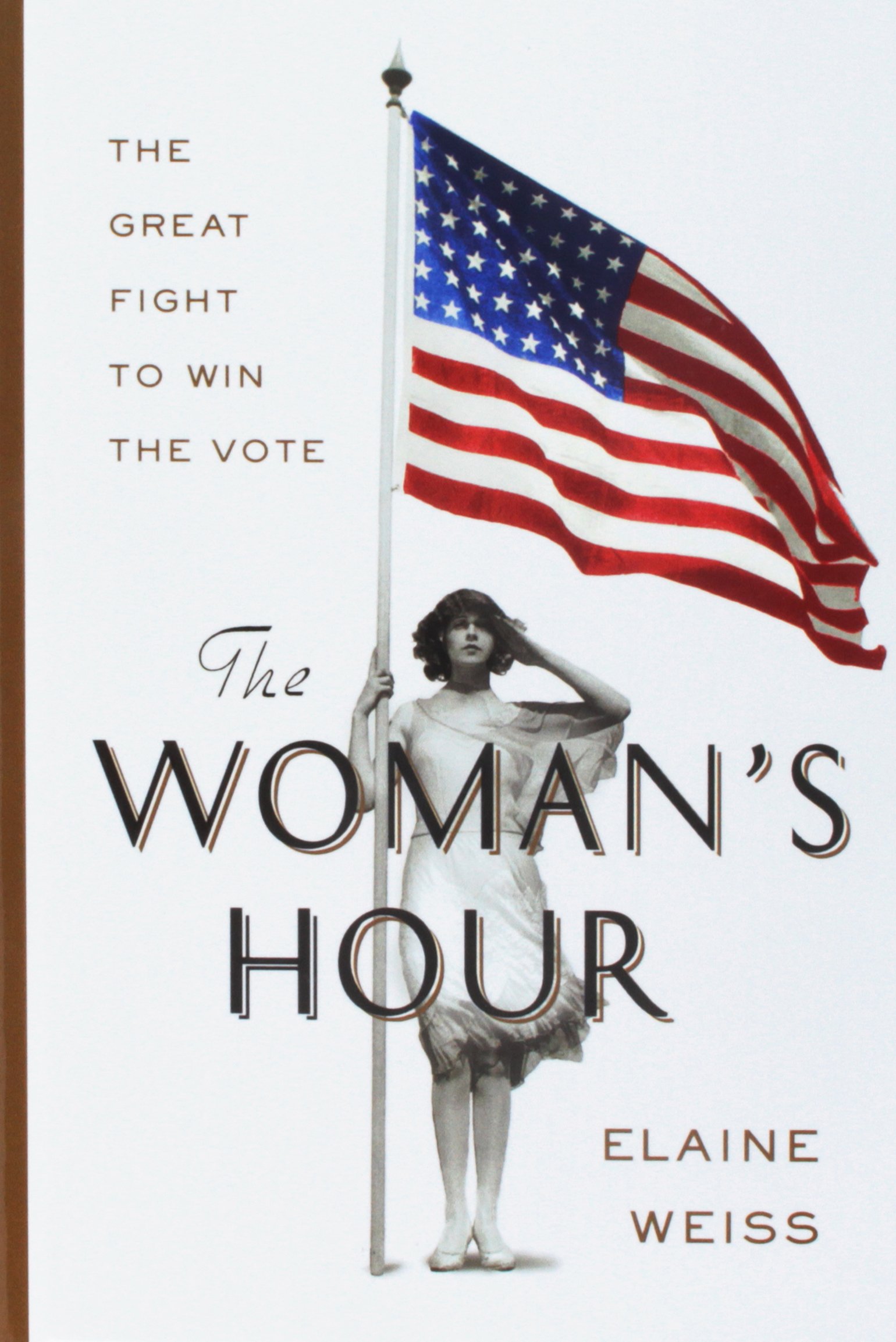
The Woman’s Hour – This is the story of the fight to get Tennessee to ratify the 19th Amendment, making it the last state needed for amendment to the U.S. Constitution. Suffragist and Anti-suffragist converged in Nashville, bringing with them their various coalitions. You know how this all ends, but Elaine Weiss is able to take known history and turn it into thrilling storytelling. 

Ari Berman

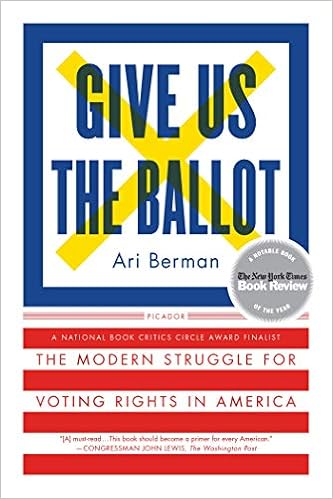
Give Us the Ballot – Much has been written about the Civil Rights Movement in America, but less has been documented about the Voting Rights Act of 1965. Ari Berman starts from there and chronicles the fights and the resistance to expanded voting right up to the modern-day. Required reading for pre-election season.

-Mike M.

Crime Knows No Century

by Gyles Brandreth

Oscar Wild and the Return of Jack the Ripper. London, 1894.  Who is Jack the Ripper?  In this sixth entry in Brandreth’s series pairing Sir Arthur Conan Doyle and Oscar Wilde, rumors have resurfaced that Jack the Ripper is a member of the royal family. When a woman is brutally murdered, Chief Constable McNaughton asks Wilde to use his extensive knowledge of the underworld to help. Wilde enlists a reluctant Doyle and the two team up to solve the mystery. Verbal repartee abounds as the pair’s conversation works many of Wilde’s epigrams into the dialog. Fans of Sherlock Holmes and Oscar Wilde will enjoy the ride.

by Amy Stewart

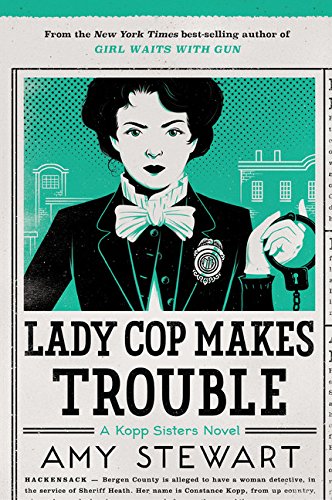
Lady Cop Makes Trouble. Hackensack, 1915. Constance Kopp is at it again! Having recently been appointed as Deputy Sheriff of Bergen County (although minus the badge), Constance is on duty at the jail when the notorious prisoner Dr. von Mattesius makes his escape.  Constance, embarrassed and worried for the future of Sheriff Heath’s job, sets out to apprehend Mattesius. Based on a true story, this second title in the Kopp sisters series is at once meticulously researched and full of humor as Constance juggles her law enforcement responsibilities and her obligations to her two sisters:  Norma, who raises carrier pigeons and Fleurette, whose eyes are filled with Broadway stars. Lady Cop Makes Trouble is a witty and consciousness raising romp.

by Garry Disher

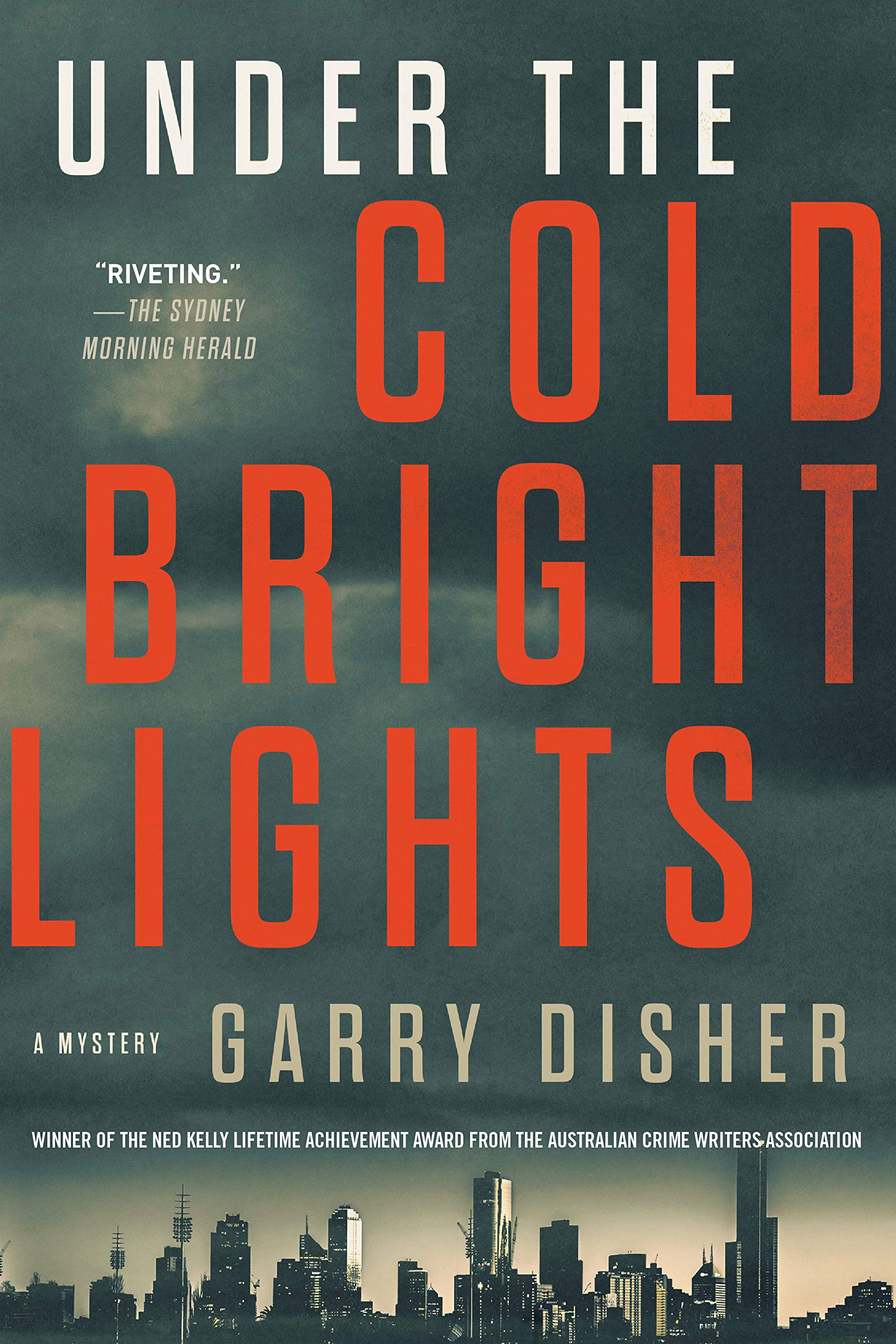
Cold Bright Lights. Melbourne, present day.  In this stand-alone mystery from renowned Australian crime writer, Garry Disher, readers are introduced to Alan Auhl, a former homicide detective who is called out of retirement to work cold cases. When a body is found under a cement slab, Auhl’s job is to identify “slab man”. Along with his cold case, Auhl is also trying to help one of his tenants, a young woman whose abusive husband is trying to take her child away. Disher’s characters are always complex and compelling and Auhl is one of the most challenging.  With an ending that may shock and will leave readers pondering the nature of justice and morality, Disher’s latest is a must read.

-Marilyn B.

Food Memoirs

by Iliana Regan

Burn the Place: A Memoir – In this memoir, long-listed for the National Book Award, the author tells the story of her ascent from her Midwestern childhood to creating her Michelin-starred restaurant, Elizabeth.  It is raw and heartfelt and difficult to stop reading.  Her journey is marked by addiction and the travails of a gay woman making her way in a man’s world.  She is honest about her own behavior, from throwing pans against the wall to drunk-driving car accidents.  But everything about her account speaks of the passion that drove her to culinary excellence, to her lauded restaurant and her first menu, which included, for dessert, Kuamoto oyster ice cream and mignonette gel.

by Jeff Gordinier

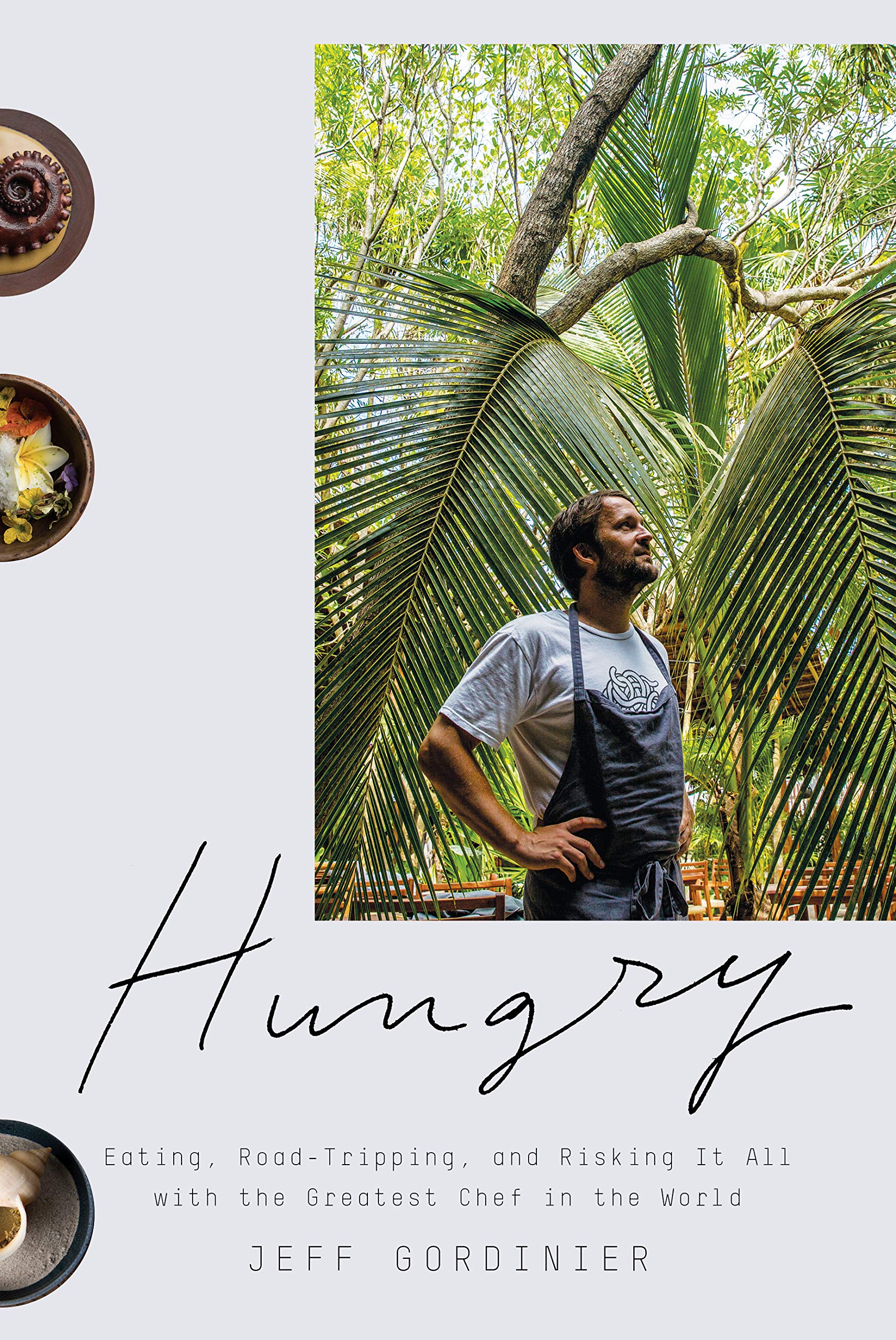
Hungry: Eating, Road-Tripping, and Risking it All with the Greatest Chef in the World – Jeff Gordinier is a journalist who happened to meet the Danish chef Rene Redzepi, whose restaurant Noma has often been called the best restaurant in the world.  Together, they ended up spending four years traveling the world looking for new foods and new flavors for Redzepi to incorporate into his cooking.  They explore local cuisines, seek out unusual ingredients, and meet other world-renowned chefs.  The book is part travelogue, part food journal, and part profile of one of the world’s most intriguing chefs.

by Boris Fishman

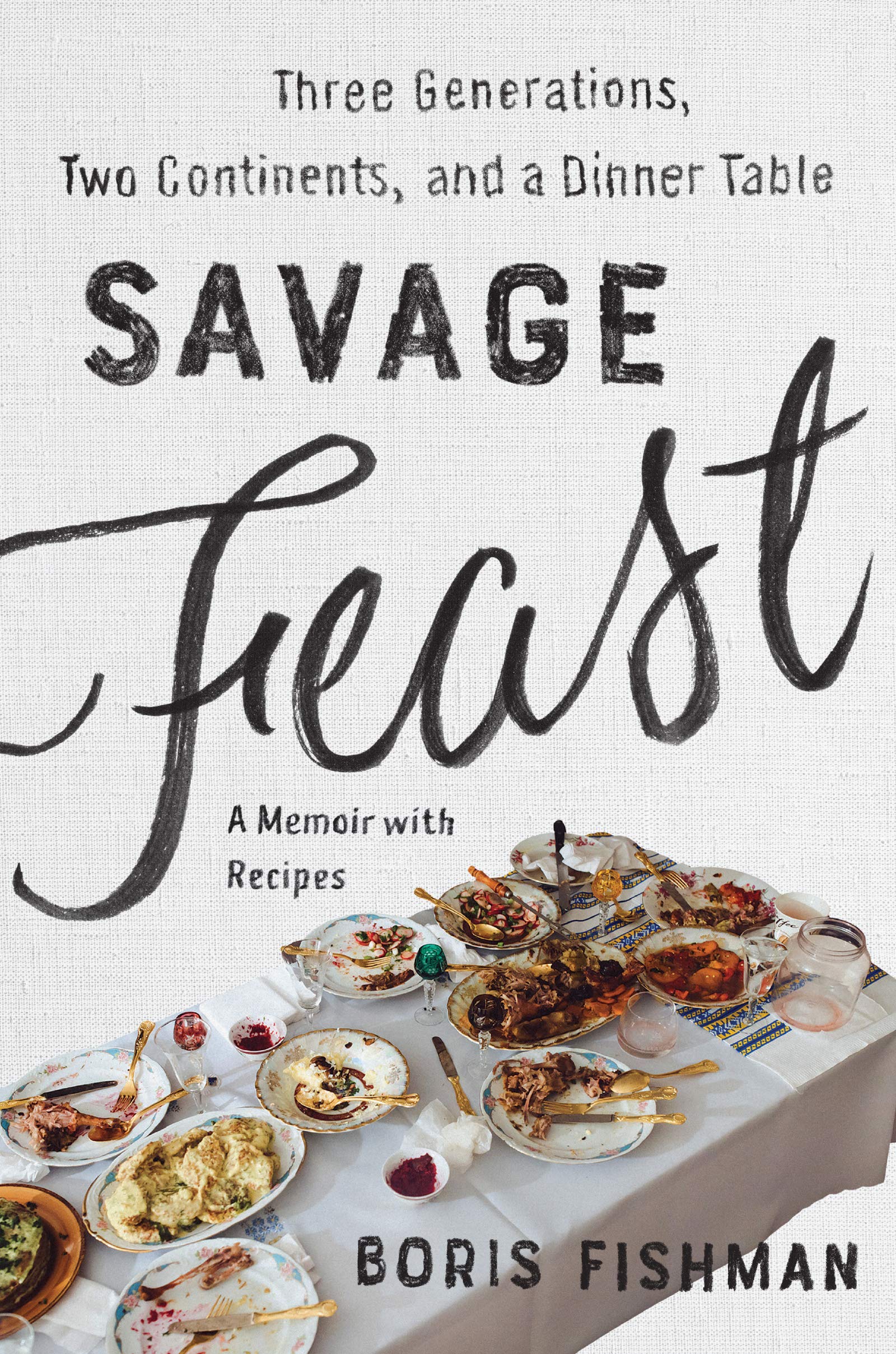
Savage Feast: Three Generations, Two Continents, and a Dinner Table (A Memoir with Recipes) – There seems to be something about food which evokes passion.  This is another story of a life, of several generations, in fact, that intertwine food and immigration, relationships, identity, and family.  The author, who was born in Minsk, Belarus and immigrated to the US in 1988,  is an award-winning novelist, and the writing is compelling and moves quickly.  As promised, there are recipes, from Cabbage Vareniki (Dumplings) with Wild Mushroom Gravy, to Roasted Peppers Marinated in Buckwheat Honey and Garlic. 

– Jared J.

Cookbooks I Checked Out (And Actually Used!)

I am guilty of checking out cookbooks, declaring that I will make that recipe that intrigued me…and then doing nothing.  But occasionally I actually follow through and am happy with the results.  Here are some favorites:

by Eric Silverstein

The Peached Tortilla: Modern Asian Comfort Food from Tokyo to Texas – Two words: Kimchi Queso.  This smooth, mildly spicy, cheesy dip has a nice, garlic flavor and was a hit at my house.  (Someone who “hates” kimchi loved this, which says a lot!) Use it with the meat/meat substitute of your choice in soft tacos if you find yourself with leftovers.   Also try the Binh Ma Tacos and the Rice Pudding. 

by Allison Day

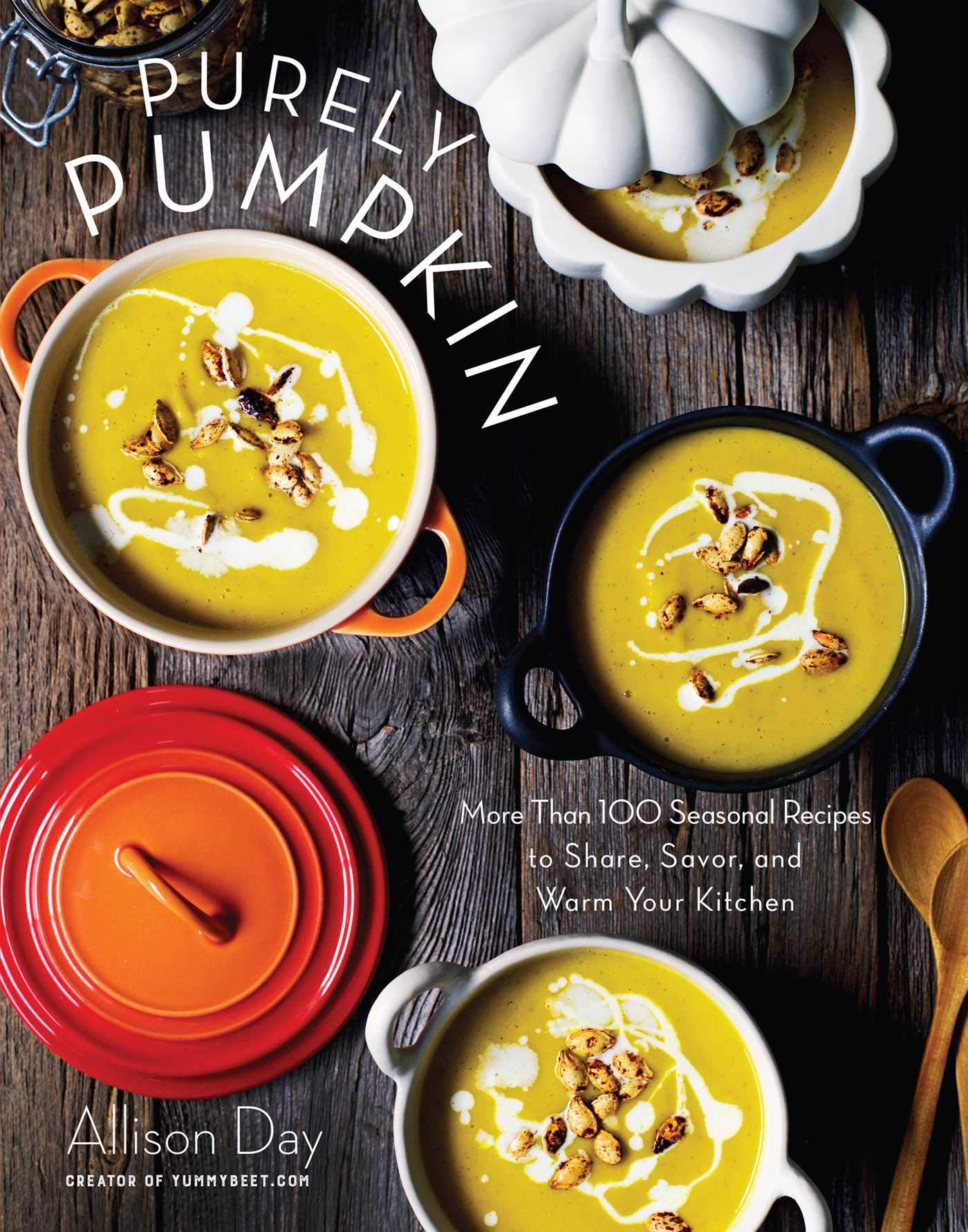
Purely Pumpkin: More than 100 Wholesome Recipes to Share, Savor, and Warm Your Kitchen – Got some canned or fresh pumpkin to use up?  You’ll find a variety of savory and sweet recipes in this cookbook.  Try the Pumpkin Ginger Bread with Dark Chocolate and Coconut, a (IMO much better) take on the pumpkin bread from Starbucks.  I’ve had success substituting gluten free 1-for-1 measure flour in place of the spelt flour.       

by Jamie Oliver

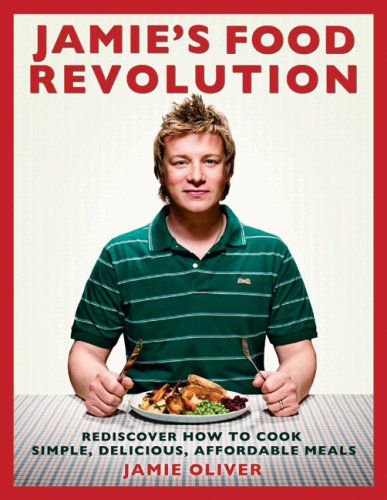
Jamie’s Food Revolution: Rediscover How to Cook Simple, Delicious, Affordable Meals – The Cauliflower Cheese reminds me of a gratin.  (Note: don’t use frozen cauliflower because the texture will become very mushy in a bad way).  The Quick Salmon Tikka with Cucumber Yogurt is quick, easy, and very filling.  Feel free to experiment with the veggies in The Super-Quick Salmon Stir Fry.  Try the Baked Camembert Pasta. 

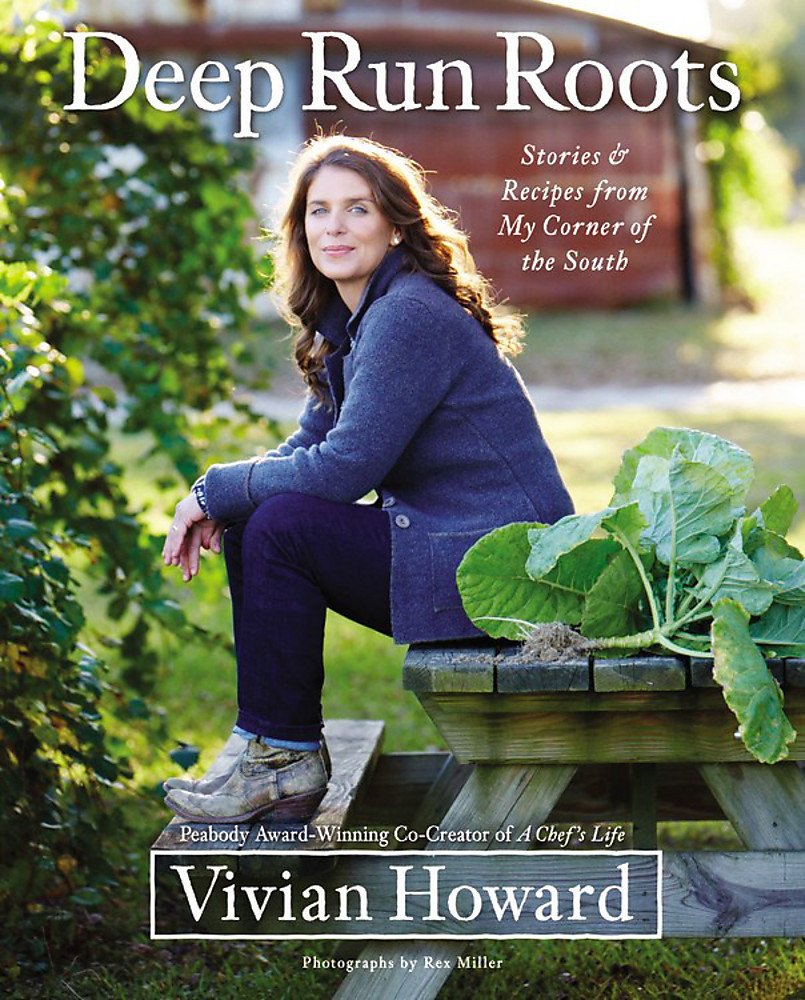
by Vivian Howard

Deep Run Roots – Cucumber Ginger Limeade makes me want to sit on the porch on a warm summer evening.  Try Citrus Sweet Potato Butter for a zippy take on mashed sweet potatoes.  At the end of summer when you have more tomatoes than you know what to do with, it’s time to make Roasted and Fresh Tomato Pie.  (I used store bought crust, so I cannot speak to how the pie crust recipe is).  Did zucchini magically show up on your doorstep?  Make Grilled Squash, Basil Pesto, and Stewed Tomatoes.

– Megan C.

Short Stories/Weird Worlds

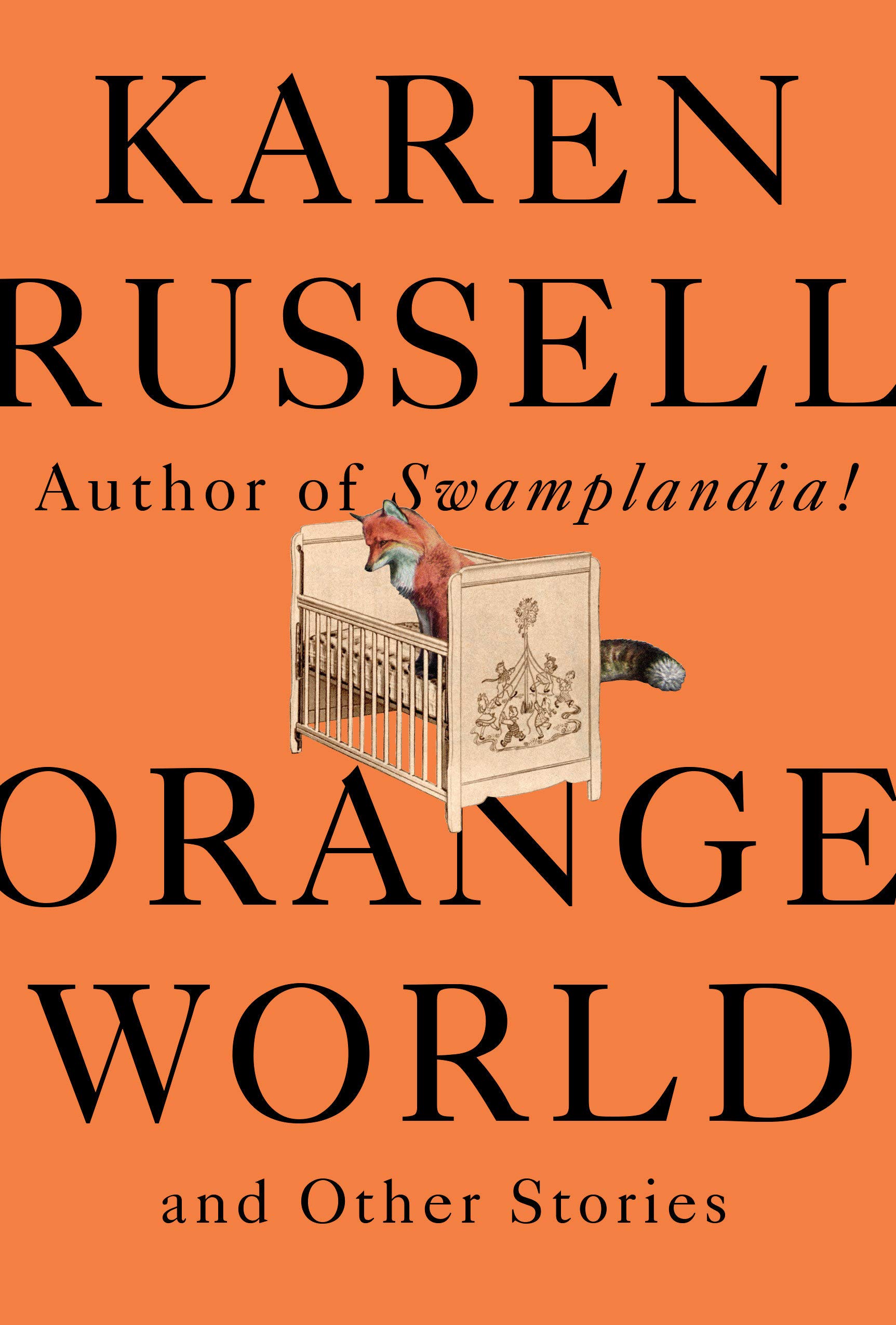
by Karen Russell

Orange World – Karen Russell impressively manages to build rich worlds and characters within a few dozen pages. The people and places she imagines are strange, yet grounded in the mundane interpersonal issues we all deal with. When I finished one story, I could not wait for the next batch of weirdness that Russell had for me. This was one of the most fun (though sometimes dark) books I’ve read so far this year.

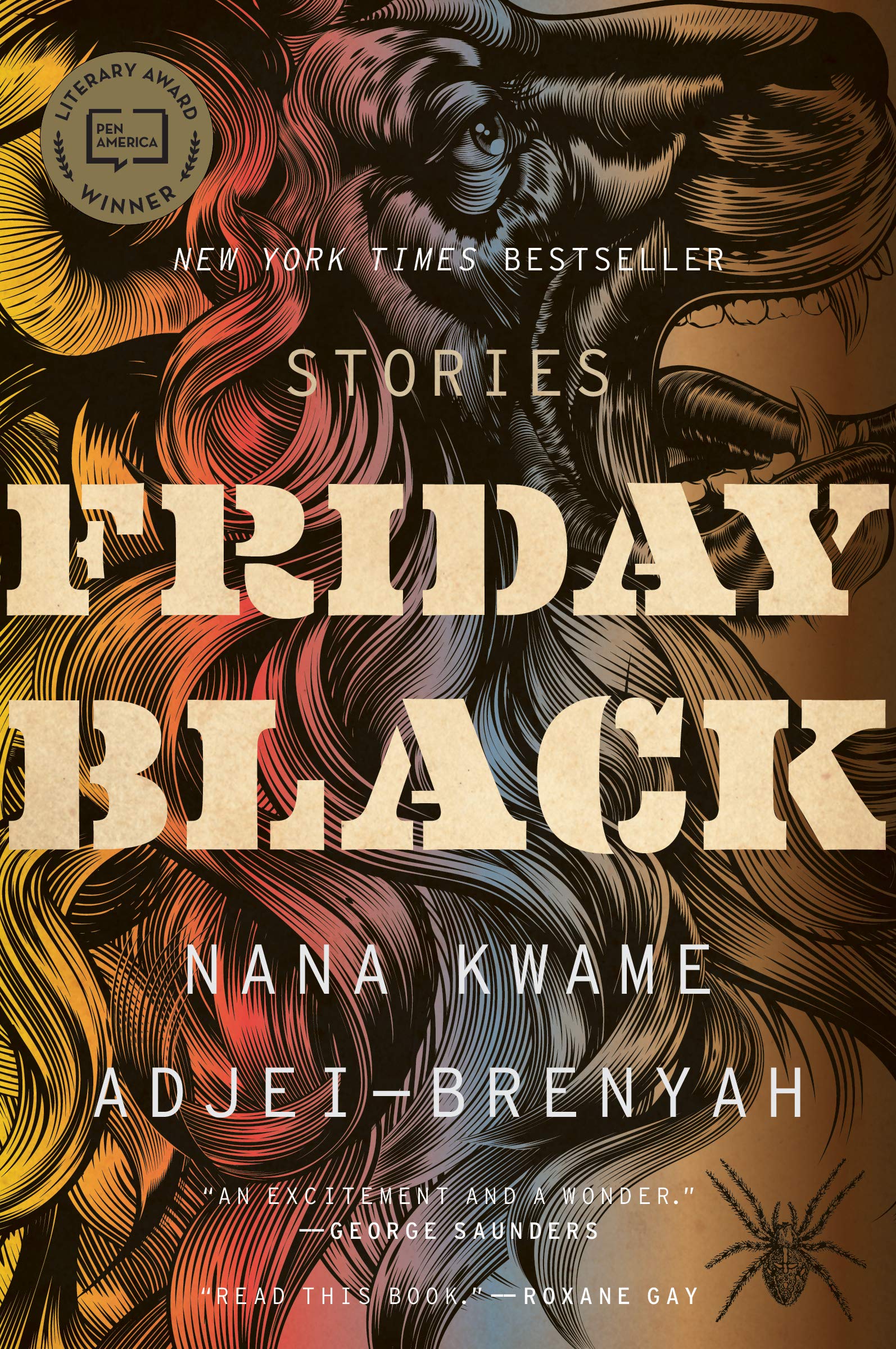
By Nana Kwame Adjei-Brenyah

Friday Black – These short stories often imagine a near future for our United States, one that is possibly years away, but maybe, more frighteningly, months away. Either way Nana Kwame Adjei-Brenyah manages to take preposterous fictionalized societies and pulls them so close to our current reality as to almost mirror it. Sometimes the scariest things are those that are most like us.

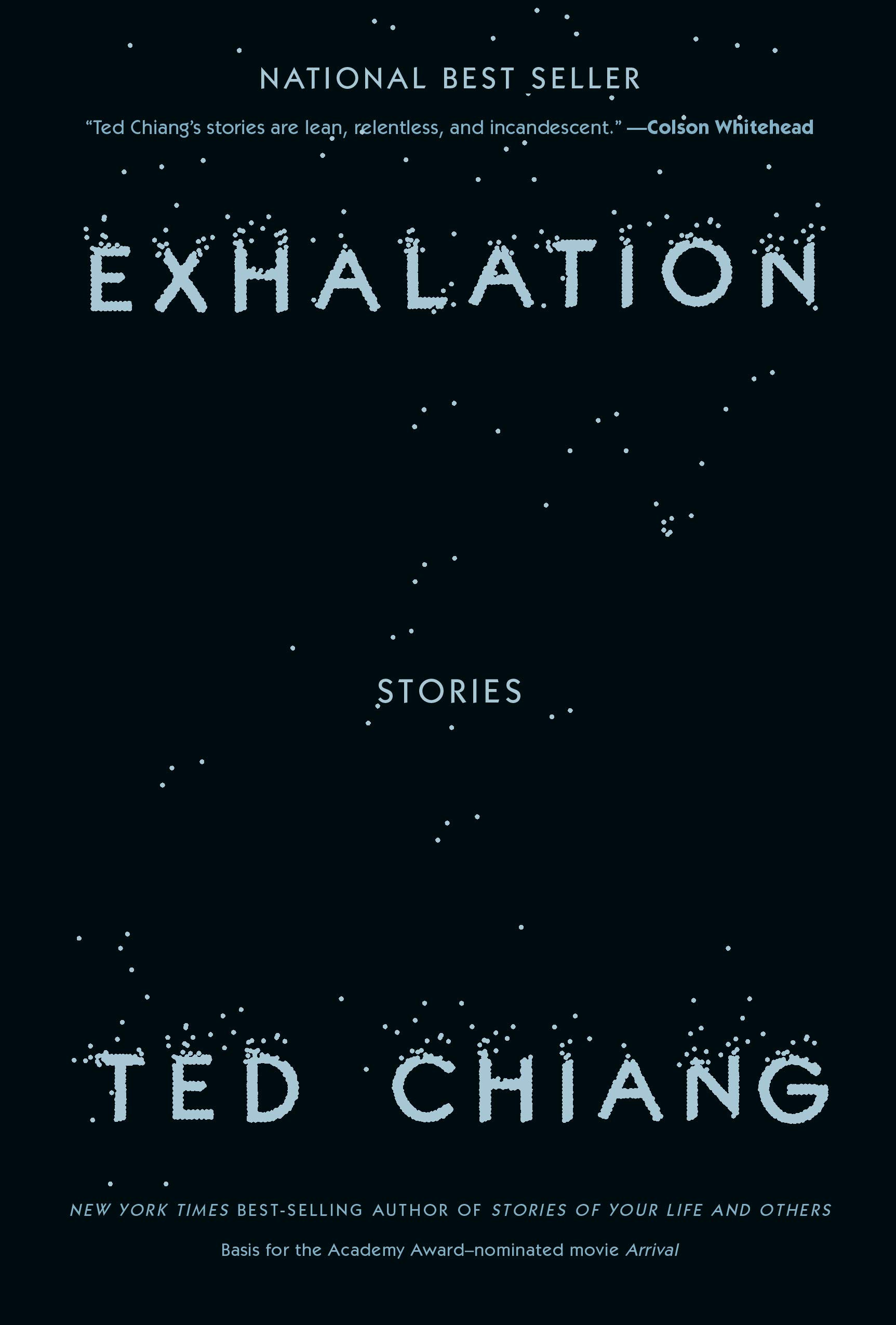
Exhalation – In this collection Ted Chiang moves beyond the strange to ask the bigger questions about the universe and humanity. It is certainly science fiction, in a way that the other two books are not quite. But in a sense Exhalation uses science fiction to get us to look much deeper into our own reality, shooting beyond the genre to something meaningful.

-Mike M.

Three Great Reads for Young Readers/Young Adults

by Kevin Henkes

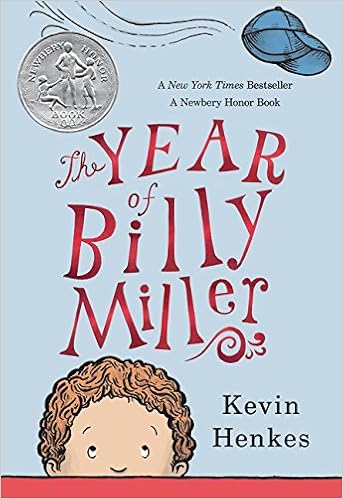
The Year of Billy Miller is the story of Billy Miller’s joyous romp through second grade.   Billy talks through concerns that he has as a young elementary child (like what the first day of school would be like).   Billy’s parents and teacher are wonderful adults helping him make the transitions that young children go through.   This book would be a great family read aloud!

By Katherine Applegate

The Last is the first book in the series “Endling” by Katherine Applegate.   This relatively new fantasy series brings the reader though the near end of a species (diarnes) and the main character’s quest to find others of her kind.   As in any quest, she encounters other creatures as friend and foe.  This well written book is charming and will hold a reader’s attention throughout. 

By Laini Taylor

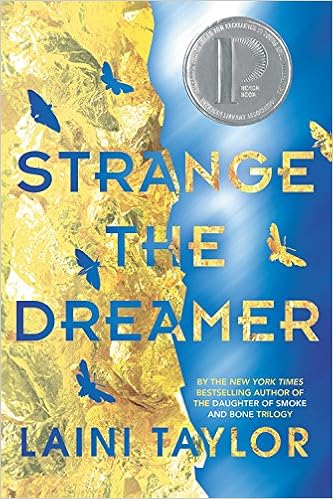
Strange the Dreamer is book one of a sci-fi series.   Author Laini Taylor creates a story of legend, of lost cities and a curious young mean who wants to find them.    This book received a Printz Award in 2017 – be prepared to want to read the book and forget everything else.  (Remember to eat!)

-Gary B.

Classics Adventure Stories by Modern Authors

Washington Black by Esi Edugyan reads like a more empathetic Robert Louis Stevenson novel. The story begins with slave boy, Washington, becoming an assistant to a scientist and inventor, Dr. Christopher Wilde. After a brutal accident and suicide, Wilde and Washington are forced to escape the plantation, together fleeing to the arctic where Wash is left abandoned and alone. This story follows Wash as he finds his way in a world that has no place for a disfigured runaway slave.

Smoke by Dan Vyleta takes place in an alternate Victorian England where humanity suffers the condition of smoke emitting from their pores, exposing their true motives whenever they sin. In a world where classism has run rampant, the rich live controlled and spotless lives, while the poor are drenched in their own soot and guilt. We follow three young adults as they discover the root of the smoke and try to liberate their society from the rule of the elite and the church.

Alif the Unseen by G. Willow Wilson is the perfect read for fans of Egyptian mythology and The Arabian Nights. Alif is our Arab protagonist, a hacker who provides security services to customers in their unidentified surveillance-state. He falls for an aristocratic woman who is instead betrothed to a rich price, followed by his own security system being breached by the state government. As Alif is put on the run to save his own neck and his customers’, he discovers a secret book of the jiin, A Thousand and One Days. With high-stake consequences he can hardly imagine, Alif struggles against state foes, aided by forces the spirit world.

Alissandra M.